Wondering how easy it is to dock your boat at a Port Royal home and reach the Gulf without stress? If you’re buying or selling along Naples Bay, you want a clear picture of dockage, navigation, and rules before you make a move. This guide walks you through the essentials, from dock types and permits to depths, services, and storm preparedness. You’ll finish with a smart checklist you can use during due diligence. Let’s dive in.
Port Royal boating at a glance
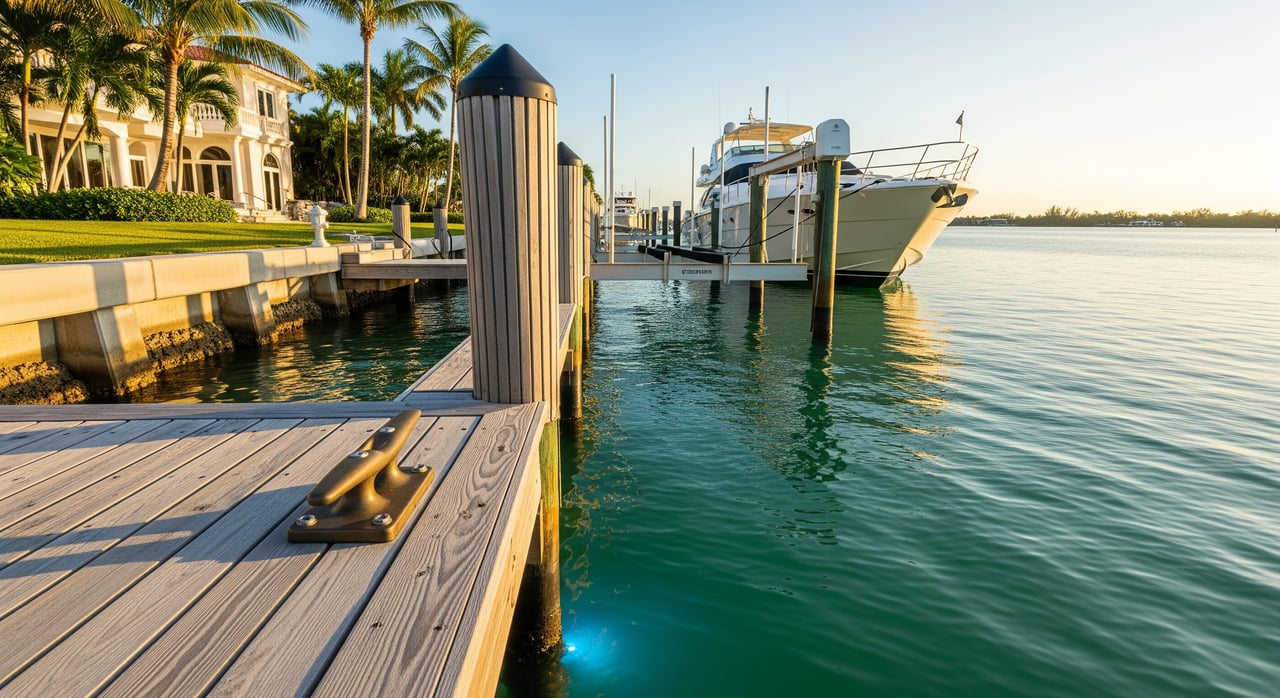
Port Royal sits along Naples Bay with direct access to the Gulf of Mexico through marked local channels. The community is known for waterfront estates with docks that can serve larger vessels. Access, dock design, and rules vary by parcel and association, so each property performs differently on the water.
Seasonal tides, storm patterns, and shoaling shape local conditions. Plan for changes after major weather events and confirm current information during your inspection period.
Dock types and ownership
Common configurations
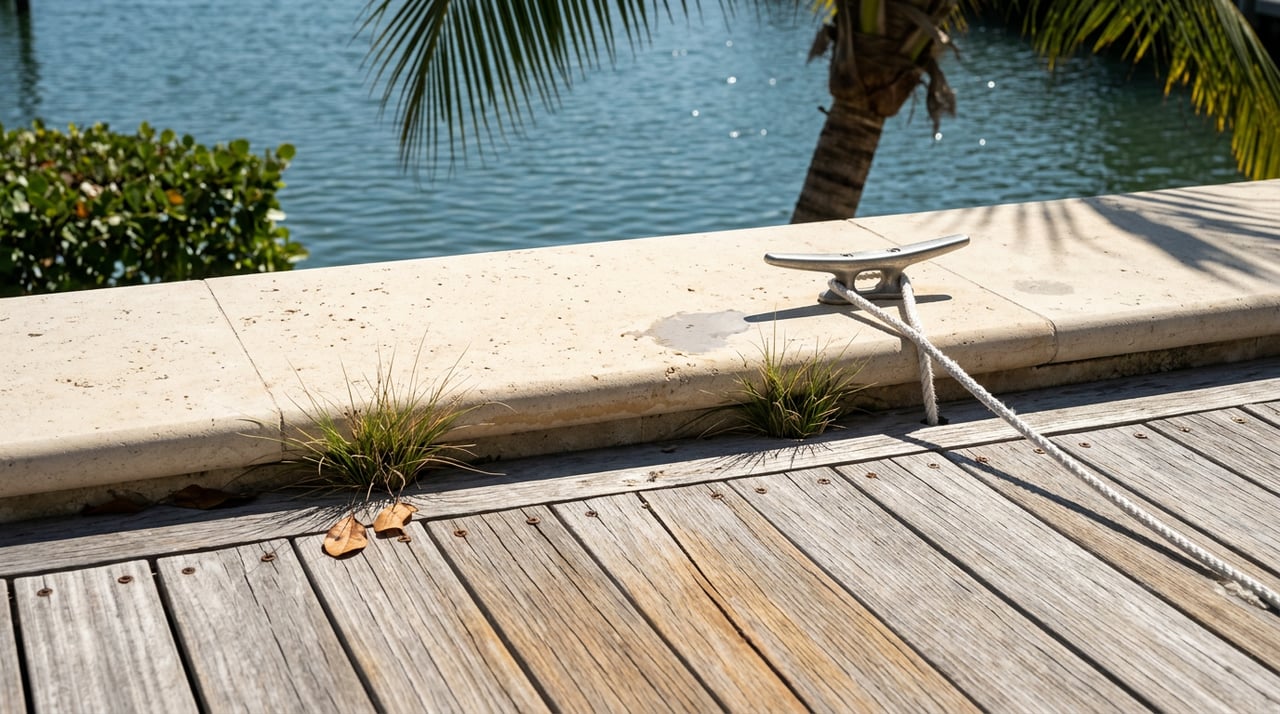
- Private fixed docks and finger piers. Typical for single-family homes, often with pilings and fixed decking.
- Boat lifts and davits. Widely used to keep vessels out of the water. Lifts can be fixed or mechanical and usually require separate permits and inspections.
- Floating docks. Less common for residences but useful where tidal range or bottom conditions make fixed structures impractical.
- Community or HOA-managed docks. Some properties or enclaves use shared or guest slips with specific use policies.
What to verify for any property
- Deeded or shared. Confirm if the dock is private and deeded or part of an association.
- Transferability. Check whether slip rights transfer with the sale and if any fees apply.
- Permits and compliance. Obtain permits and approvals for construction, lifts, repairs, and any dredging. Confirm the dock is up to code.
- Maintenance obligations. Clarify who pays for upkeep, dredging, and insurance for the dock and seawall.
Navigation, depths, and safe access
Port Royal connects to Naples Bay’s channels that lead to the Gulf. Safe access depends on your parcel’s location relative to marked routes and basin conditions.
- Depths can change. Sedimentation, storms, and dredging cycles affect controlling depths. Do not assume permanent “deep water.”
- Use authoritative guidance. Consult current NOAA nautical charts, U.S. Coast Guard Local Notices to Mariners, and recent county advisories for the most up-to-date depths and markers.
- Mind tides and draft. Check your vessel’s draft against controlling depths at mean low water. Even moderate tidal swings can matter in shallow spots.
- Follow aids to navigation. Respect official markers and speed zones. Private lights on bulkheads or docks do not replace official aids.
Permits and environmental rules
Waterfront work involves multiple layers of review. Plan ahead, because permitting can influence your timeline and design choices.
Who regulates what
- Local. Collier County and the City of Naples review seawalls, docks, setbacks, and dredging approvals. Many coastal projects need local clearance before state review.
- State. The Florida Department of Environmental Protection and Florida Fish and Wildlife Conservation Commission regulate structures in tidal waters, dredging, and protection of sensitive habitats.
- Federal. The U.S. Army Corps of Engineers may be involved for projects in navigable waters or when fill or dredge work triggers federal jurisdiction.
Common permit topics
- New dock construction, reconstruction, or major repair
- Boat lift or davit installation or modification
- Dredging or channel modification
- Seawall repair or replacement
- Mangrove trimming or removal and seagrass impact review
Environmental protections
- Mangroves are protected. Trimming or removal usually requires a permit and must follow strict guidelines.
- Seagrass and other benthic habitats are regulated. Anchoring in seagrass beds is discouraged and may be restricted.
- Manatee zones. Expect slow or no-wake areas and boater conduct rules enforced by state and federal agencies.
HOAs and private clubs may have standards that exceed government requirements, including limits on boat size, guest use, design materials, and maintenance schedules.
Fuel, service, and transient options
Most Port Royal docks serve private vessels and do not offer fueling. Plan to use Naples-area marinas for fuel, haul-outs, mechanical work, and bottom painting. For larger yachts, schedule service ahead of time to ensure availability.
If you need transient dockage, nearby public and commercial marinas handle short-term stays. Waitlists for leased slips can be common in high-demand seasons, which makes private dock ownership attractive for convenience.
Hurricane prep, insurance, and risk
Before the season
- Create a written hurricane plan for securing your vessel and your dock area.
- Review your boat lift’s capacity and manufacturer guidance. Many owners haul out or relocate vessels for storms.
- Remove canopies, biminis, and loose items that can become hazards.
Insurance and lending
- Waterfront homes often require separate boat insurance and may require named storm plans.
- Lenders may request proof of flood, wind, and marine coverage for the residence and vessel.
After a storm
- Expect floating debris, shifted shoals, or damaged pilings. Document damage promptly for claims.
- Seawall and dock repairs, and any dredging to restore access, usually require permits and owner or HOA funding.
Buyer and seller checklist
Use this list to reduce risk and keep your timeline on track.
- Deed and rights. Confirm docking rights are included in the deed. Note any easements or riparian rights.
- HOA rules. Review boat size limits, guest policies, and transfer or initiation fees tied to dock use.
- Permits. Collect all permits for docks, lifts, repairs, and past dredging. Confirm compliance and close any open permits.
- Marine inspection. Hire a marine surveyor to assess pilings, decking, electrical, safety ladders, and lift condition.
- Depth verification. Match your vessel’s beam, length, and draft to slip dimensions and controlling depths at mean low water using current charts and local records.
- Seawall health. Evaluate seawall integrity and look for erosion indicators.
- Costs and reserves. Identify who pays for routine maintenance, piling replacement, lift servicing, and any dredging.
- Projects and notices. Check for pending county or municipal work that could affect channel access or seawall timelines.
How we can help
Selecting the right Port Royal property is about more than the view. It is about how easily you can navigate from your dock, the confidence you have in permits and compliance, and the long-term stewardship of your waterfront investment. If you want a calm, detail-driven process with local expertise, we are here to guide you from the first tour to a smooth close.
Ready to evaluate specific properties or plan a confidential search? Connect with The Norgart Team for concierge guidance, vetted marine referrals, and neighborhood insight. Become a VIP: Request Private Access.
FAQs
How does Port Royal access the Gulf of Mexico?
- Properties connect to Naples Bay’s marked channels that lead to the Gulf. Safe access depends on the parcel’s location, current depths, and aids to navigation.
What should I check to confirm a dock conveys with the home?
- Review the deed and recorded appurtenances for docking rights, ask for documentation and easements, and confirm any HOA or club policies that affect transferability.
Will my yacht fit a Port Royal dock?
- Verify slip length, beam, and controlling depth at mean low water against your vessel’s specs, and engage a marine surveyor for measurements and clearance checks.
Do I need permits to add a boat lift or rebuild a dock?
- Yes. Local, state, and sometimes federal permits apply to lifts, docks, seawalls, and dredging, and HOA standards may be stricter than government rules.
Are there manatee or environmental restrictions near Port Royal docks?
- Expect speed zones and no-wake areas for manatee protection, along with rules governing mangrove trimming and seagrass impacts that require adherence and permits.
Who is responsible for dredging or seawall repairs at a waterfront home?
- Responsibility typically falls to the property owner or the HOA if the dock is community owned, subject to local ordinances and any prior agreements.