Sunset over the Gulf or coffee over calm bay water? On Gulf Shore Boulevard, you can have either, but each choice comes with its own rhythm, rules, and long-term considerations. If you're weighing beachfront against bayfront, you want more than pretty views. You want clarity on lifestyle, insurance, permitting, maintenance, and resale. This guide gives you a clear, local comparison so you can choose with confidence. Let’s dive in.
Beachfront vs. bayfront on Gulf Shore Blvd
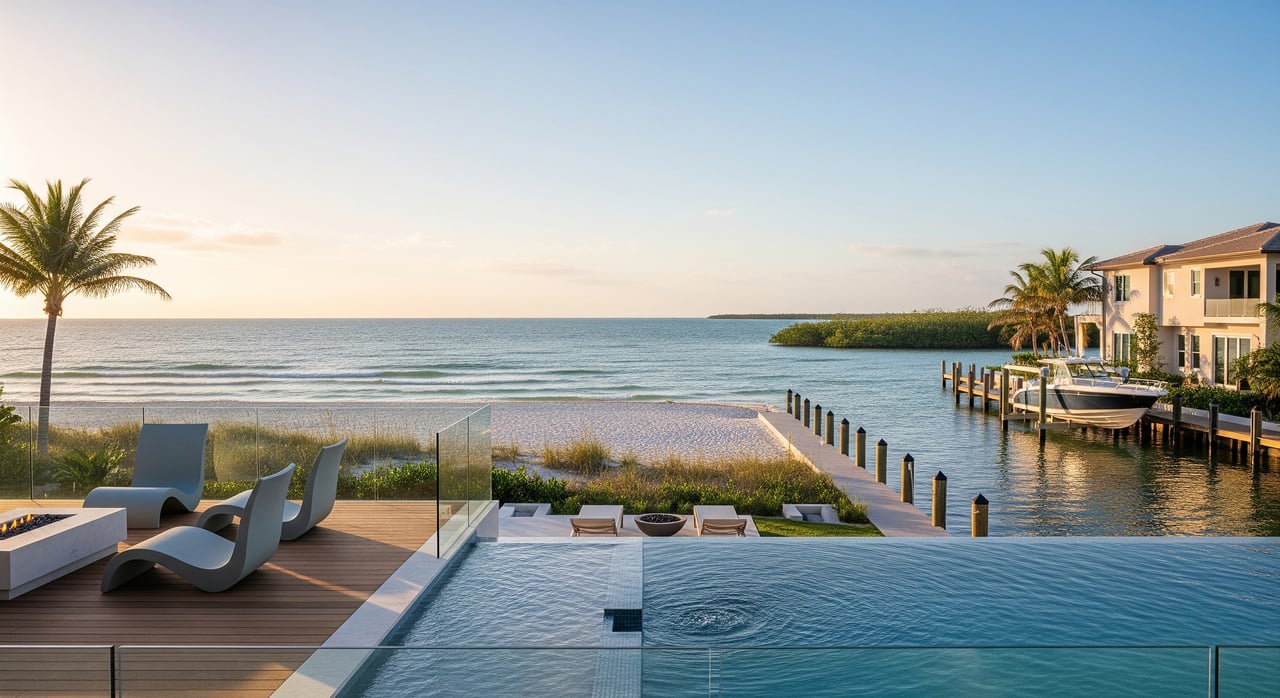
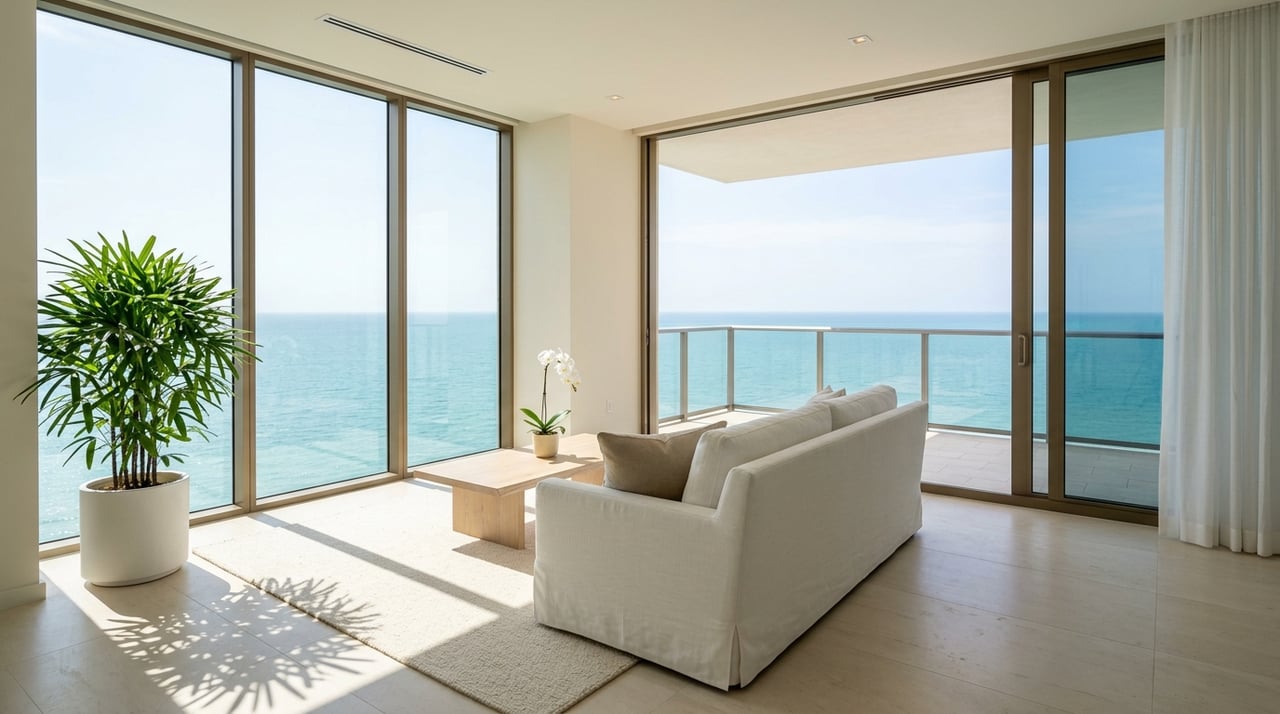
Beachfront means direct frontage on the Gulf of Mexico. These west-facing parcels on the gulf side offer sandy beach access, dune adjacency, and sweeping Gulf views.
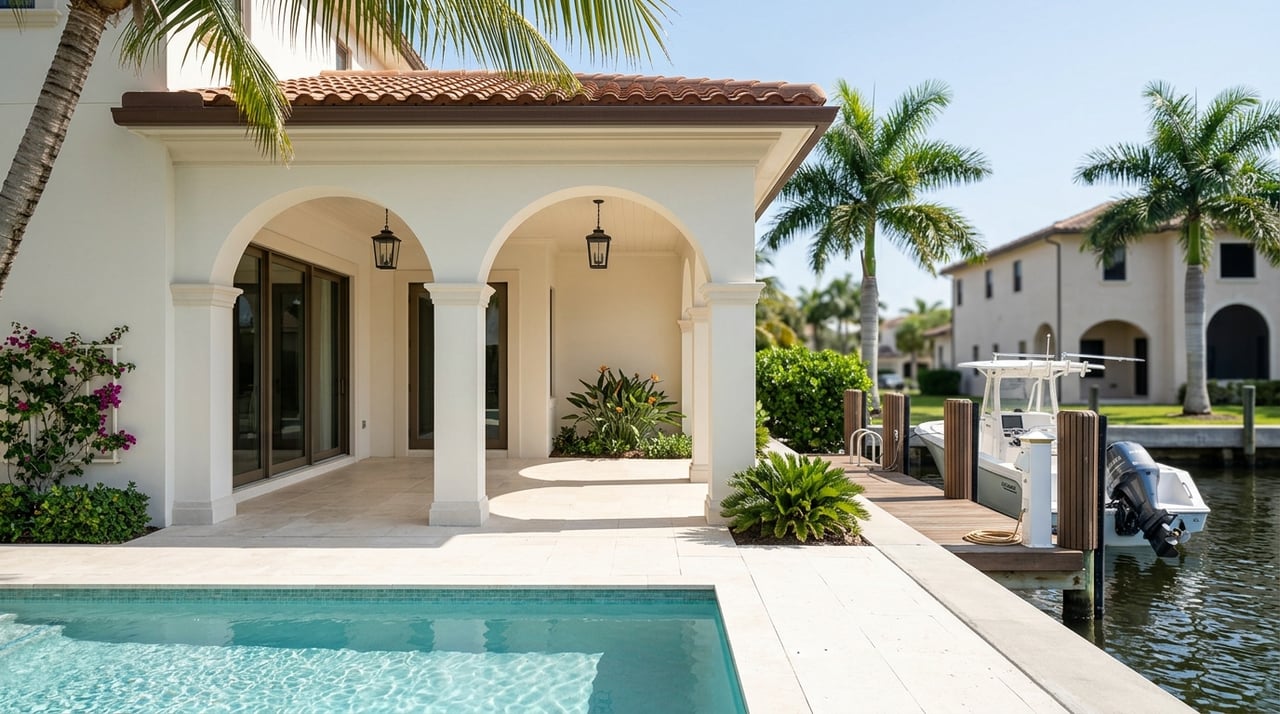
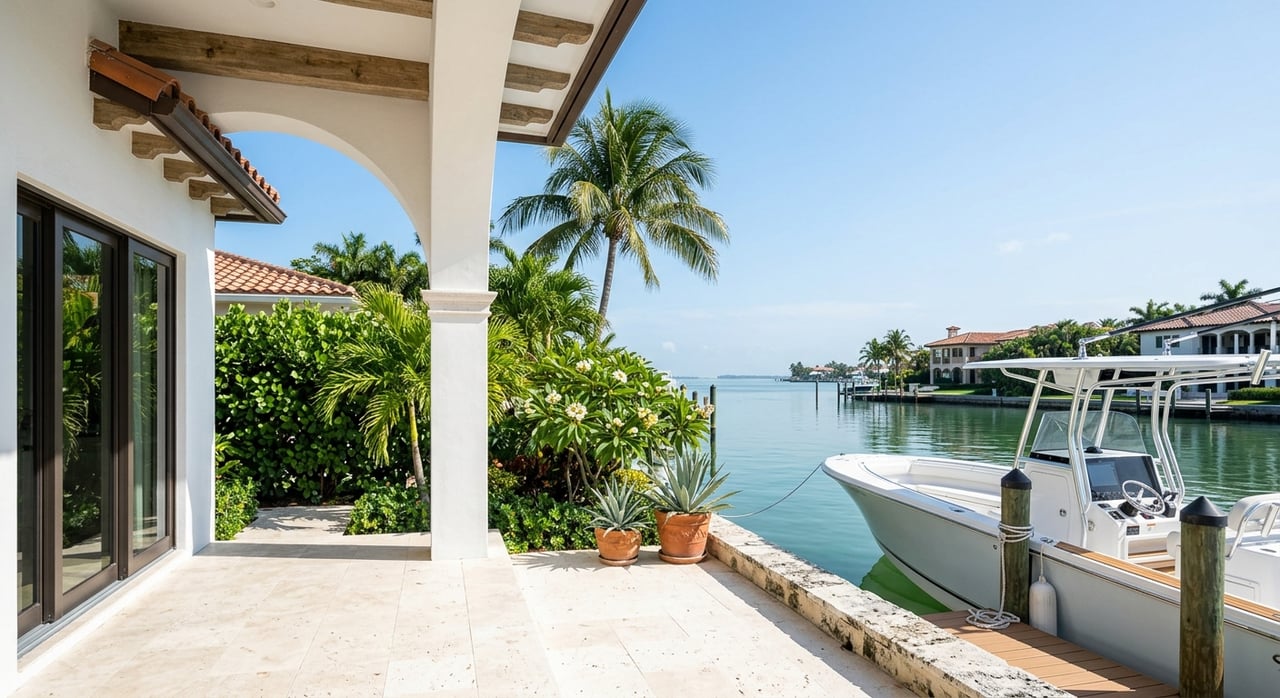
Bayfront means frontage on Naples Bay, back bays, or interior canals on the inland side. These properties face calmer water, often include private docks, and are oriented to boating and sheltered-water recreation.
Gulf Shore Boulevard runs through both the City of Naples and unincorporated Collier County. Rules and permits differ by jurisdiction, so confirm whether a property is in the city or county before you plan improvements or evaluate rental options.
Lifestyle tradeoffs you will notice
Beachfront lifestyle
- Daily beach walks, open Gulf views, and sunset skies.
- Direct surf and swimming access with a west-facing orientation.
- Seasonal beach activity varies by proximity to public access points.
- Lighting rules apply during sea turtle nesting season.
Bayfront lifestyle
- Calmer water for boating, kayaking, paddleboarding, and fishing.
- Many parcels offer private docks and lifts with quick access to Naples Bay.
- Views shift to sunrise or wide-water panoramas depending on orientation.
- Expect some boat traffic and periodic dock maintenance.
Coastal risk and environmental context
Beachfront properties experience open Gulf wave energy. That creates higher exposure to storm surge, overwash during extreme events, and shifting beach dynamics. Bayfront properties can also flood during surge, but wave energy is usually lower and patterns differ by canal and bay.
- Flood zones matter. Use the FEMA Flood Map Service Center to confirm a property’s flood zone and base flood elevation. Homes in V or VE zones face stricter construction standards and often higher insurance costs.
- Long-term sea-level trends. The NOAA Sea Level Rise Viewer helps you visualize potential tidal flooding exposure over time.
- Beach nourishment and dunes. Gulf-facing owners can be affected by nourishment projects and dune protection rules. See the Florida Department of Environmental Protection’s resources on beaches and coastal programs for context.
- Wildlife and lighting. Beachfront parcels fall under sea turtle protection and seasonal lighting rules. Review Florida Fish and Wildlife guidance on sea turtle lighting.
- Mangroves and wetlands. Many bayfront shorelines include mangroves or protected habitats, which can limit shoreline hardening and affect dock design and permitting.
Permits, docks, and legal basics
Florida’s coastal construction rules and local building codes are strict for good reason. Expect elevated foundations, wind-load standards, and coastal-specific structural requirements for many improvements.
- Local building permits. Confirm jurisdiction, then consult the City of Naples Building Department or Collier County Building Review for additions, remodels, seawall work, and landscaping rules.
- State and federal approvals. Docks, boat lifts, and work seaward of the mean high water line often require review by the Florida Department of Environmental Protection and, in navigable waters, the U.S. Army Corps of Engineers – Jacksonville District.
- Riparian rights and submerged lands. Private dock rights are not blanket guarantees. Verify permitted status, riparian boundaries, and submerged land ownership before you rely on any dock plans.
- Seawalls and bulkheads. On the bay side, seawalls are critical infrastructure. Replacement or repair typically requires permits and can be a material cost item in negotiations.
Insurance and financing realities
Waterfront risk shows up in insurance pricing and lender requirements. Comparing quotes early helps you budget and avoid surprises at underwriting.
- Flood insurance. If you secure a mortgage and the property is in a high-risk flood zone, flood insurance is usually required. Start with FEMA’s overview of flood insurance through NFIP, then compare private-market options. Premiums often run higher for VE zones.
- Windstorm coverage. Coastal wind and hurricane coverage is common and can carry separate deductibles. Insurer availability can shift with market conditions in Florida.
- Elevation certificates. A current Elevation Certificate can influence flood premiums and underwriting decisions. Ask for it early in due diligence.
- Lender scrutiny. Properties with unresolved permitting issues, older seawalls in poor condition, or complex flood-zone profiles may face extra underwriting review and escrow requirements.
Market value and resale signals
In Naples’ luxury segment, scarcity and lifestyle drive value. Direct Gulf frontage typically commands a premium for unobstructed water views and immediate beach access. Bayfront properties also command strong pricing, especially when they combine wide-water views with functional docks and favorable boating access.
Key factors that influence value include:
- View corridor quality and privacy.
- Flood zone and documented structural resilience.
- Dock and seawall condition, water depth, and bridge clearance to the Gulf.
- Proximity to amenities, parks, and beach access points.
- HOA rules and local rental regulations, which differ between the City of Naples and Collier County.
Beachfront can offer exceptional liquidity in strong markets, while bayfront shines for buyers who prize boating. Both segments are sensitive to changes in insurance pricing and coastal regulations, so current due diligence is essential.
Maintenance and operating costs
Coastal ownership requires proactive care. Plan for higher baseline maintenance than inland properties.
- Exterior finishes and systems. Salt air accelerates corrosion. Budget for more frequent repainting, window and door maintenance, and shorter lifespans for HVAC components on gulf-exposed structures.
- Seawalls and docks. Bayfront owners should obtain engineering assessments on seawalls and keep a reserve for replacement. Docks and lifts need routine inspections, electrical upkeep, and periodic upgrades to stay compliant with permits.
- Dune stewardship and beach projects. Beachfront owners may participate in dune vegetation programs or beach nourishment cost-sharing where applicable.
- Post-storm inspections. Pilings, pile caps, and foundations should be inspected after major events. Keep elevation and structural documentation up to date for insurance.
Which option is right for you
Choose beachfront if you want immediate beach access, west-facing sunset views, and the sensory experience of the Gulf. Expect higher exposure to storms and a premium for unobstructed views, balanced by exceptional lifestyle appeal.
Choose bayfront if boating, paddleboarding, or kayak access is central to your routine, and you value calmer water conditions. Expect dock and seawall responsibilities and review boating routes for depth and bridge clearance.
If you split time seasonally, consider how rental rules, HOA covenants, and maintenance logistics align with your travel calendar. Your advisor can help you map these factors to your lifestyle and long-term plans.
Due diligence checklist
Use this quick list to stay organized before you write an offer or list your property.
The bottom line
Beachfront and bayfront on Gulf Shore Boulevard both deliver signature Naples living. Your best fit comes down to how you want to use the water, your comfort with coastal risk and maintenance, and your views and privacy preferences. With the right due diligence and a team that manages details end to end, you can buy with confidence and protect long-term value.
If you want a curated shortlist, private previews, and expert coordination with marine surveyors, coastal engineers, and insurers, connect with The Norgart Team. Become a VIP — Request Private Access.
FAQs
What do “beachfront” and “bayfront” mean on Gulf Shore Blvd?
- Beachfront is direct Gulf of Mexico frontage on the west side, while bayfront is frontage on Naples Bay, back bays, or canals on the inland side, often with private dock potential.
How do flood zones affect insurance for beachfront vs bayfront?
- Flood zones like AE and VE influence premiums and building standards; verify your zone at the FEMA Flood Map Service Center and obtain an Elevation Certificate to help insurers price risk.
Are there special lighting rules for beachfront homes due to sea turtles?
- Yes, beachfront properties must follow seasonal lighting restrictions to protect sea turtles; review Florida Fish and Wildlife’s lighting guidance.
What permits do I need for a dock or seawall on the bay side?
Who manages beach nourishment and dune protection near Gulf-front homes?
- Projects are coordinated with the Florida Department of Environmental Protection and local agencies; see FDEP’s beaches program and confirm any local assessments.
Where can I find permit history and property records before I make an offer?