Inside Royal Harbor: Naples Waterfront Living For Boaters
February 5, 2026
February 5, 2026
Picture this: you step out with a cup of coffee, lower your boat from the lift, and idle through calm canals toward Naples Bay. If you want a home where water is part of your daily rhythm, Royal Harbor offers a canal lifestyle built for boaters. You will learn how the community connects to the bay, what types of homes and docks to expect, and the key checks to make before you buy. Let’s dive in.
Royal Harbor is a canalized, waterfront neighborhood in Naples, Collier County. Residential canals connect directly to Naples Bay, so many properties have seawalls, private docks, and boat lifts for easy boarding. From the canals, you move into the bay and on to downtown waterfront spots. You are also a short drive from dining, shopping, and marina services in central Naples.
From Royal Harbor’s protected canals, you enter Naples Bay and cruise to popular waterfront destinations such as Tin City, Venetian Village, and the Naples Pier. You can also head toward Naples Pass and out to the Gulf of Mexico. Transit times vary by vessel, tides, and route, so confirm with local mariners and official charts before planning runs.
Keep navigation practical and safe:
Interior canals typically offer calm tie‑ups for smaller craft and easy launching for day trips. Bayfront properties trade more exposure for broad water views and direct open water access. Larger yachts need deeper, wider slips and clear approach channels, so verify canal depth and any clearance constraints for your specific boat.
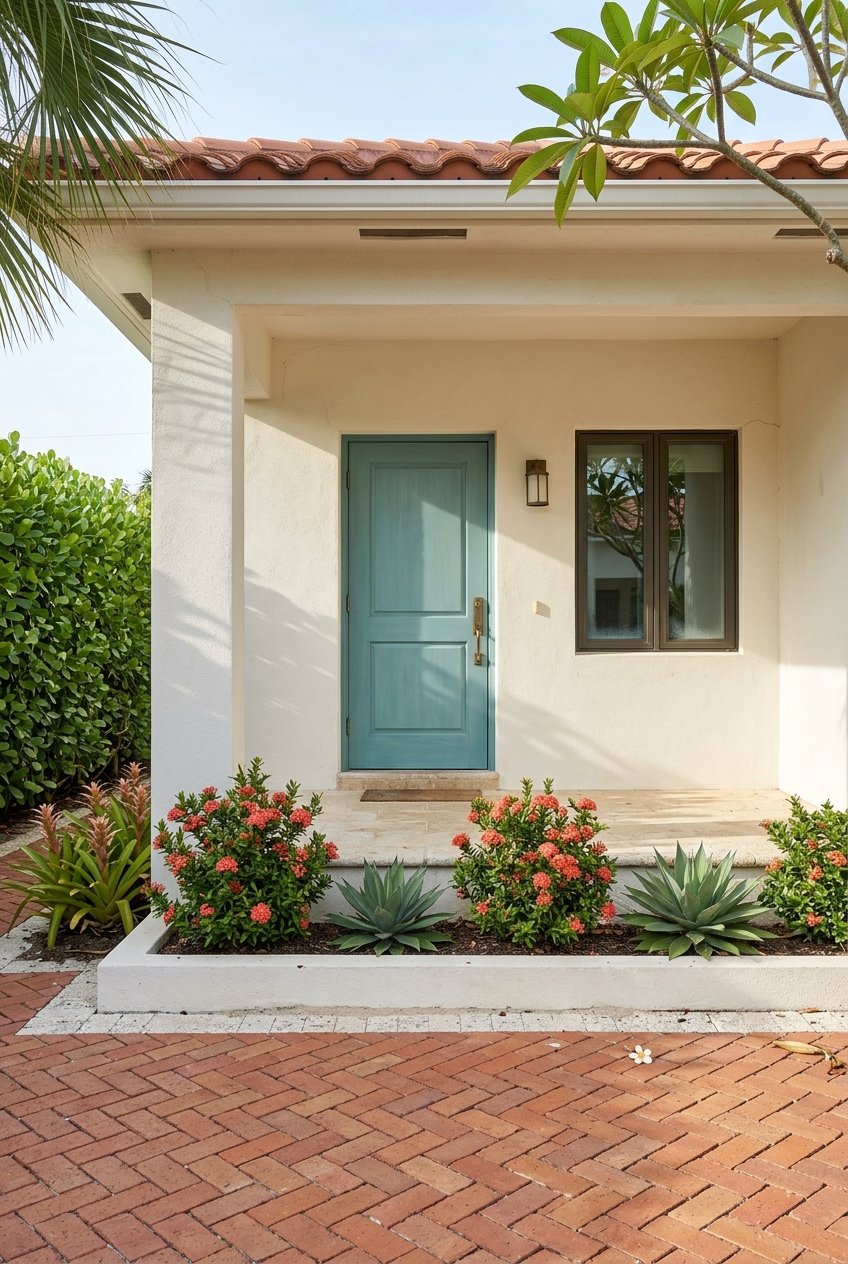
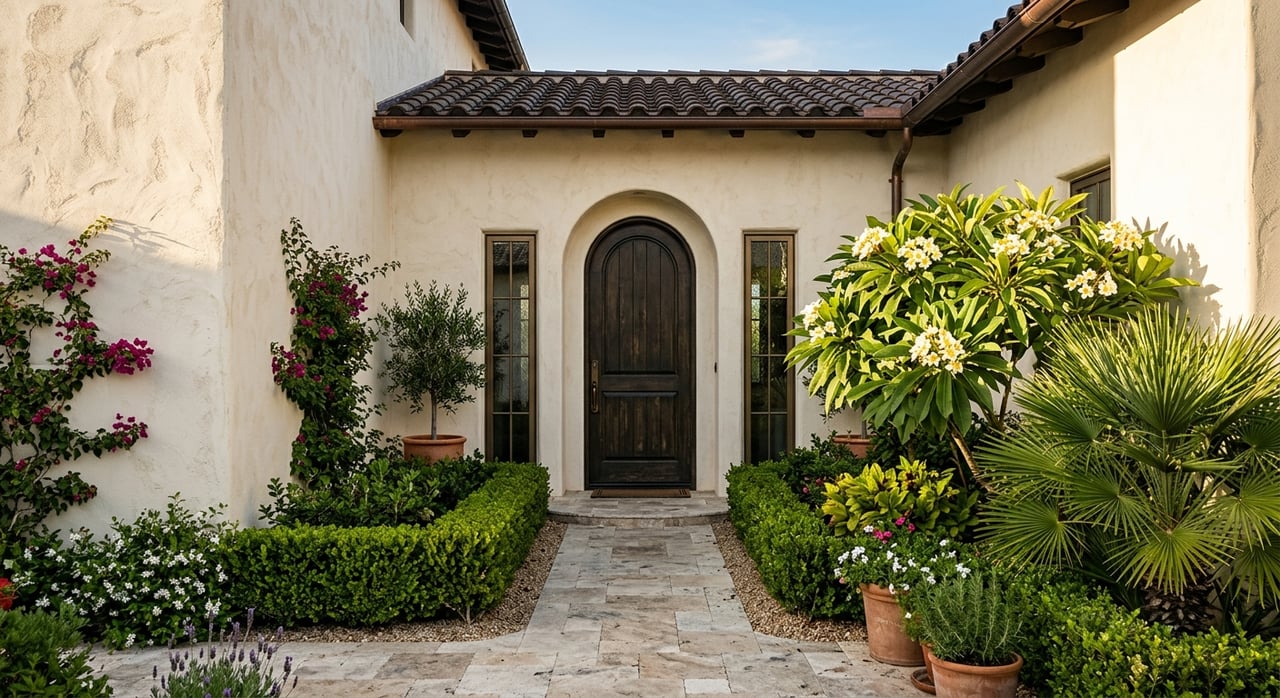
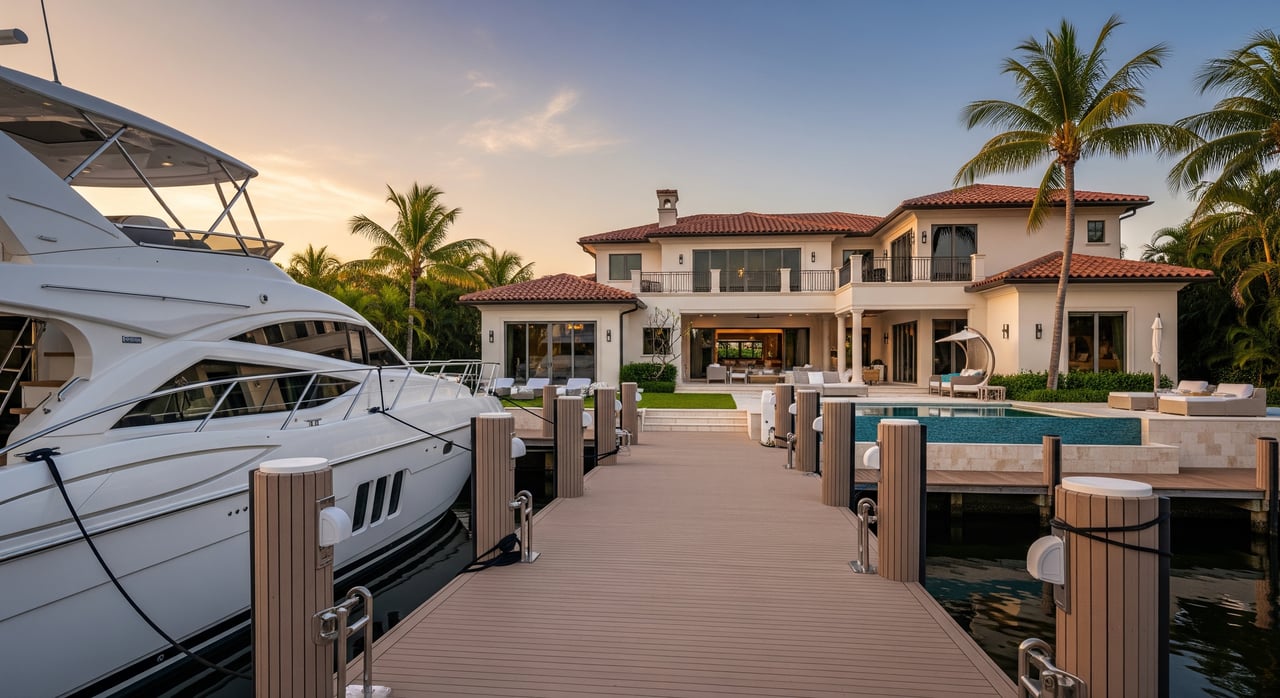
You will see a mix of single‑family homes on canal lots, including mid‑century ranches, expanded and renovated waterfront homes, Mediterranean or Florida‑contemporary updates, and newer custom rebuilds. Many homes feature private pools and waterfront terraces that orient daily life to the water. Some lots are interior canal, while others sit directly on Naples Bay.
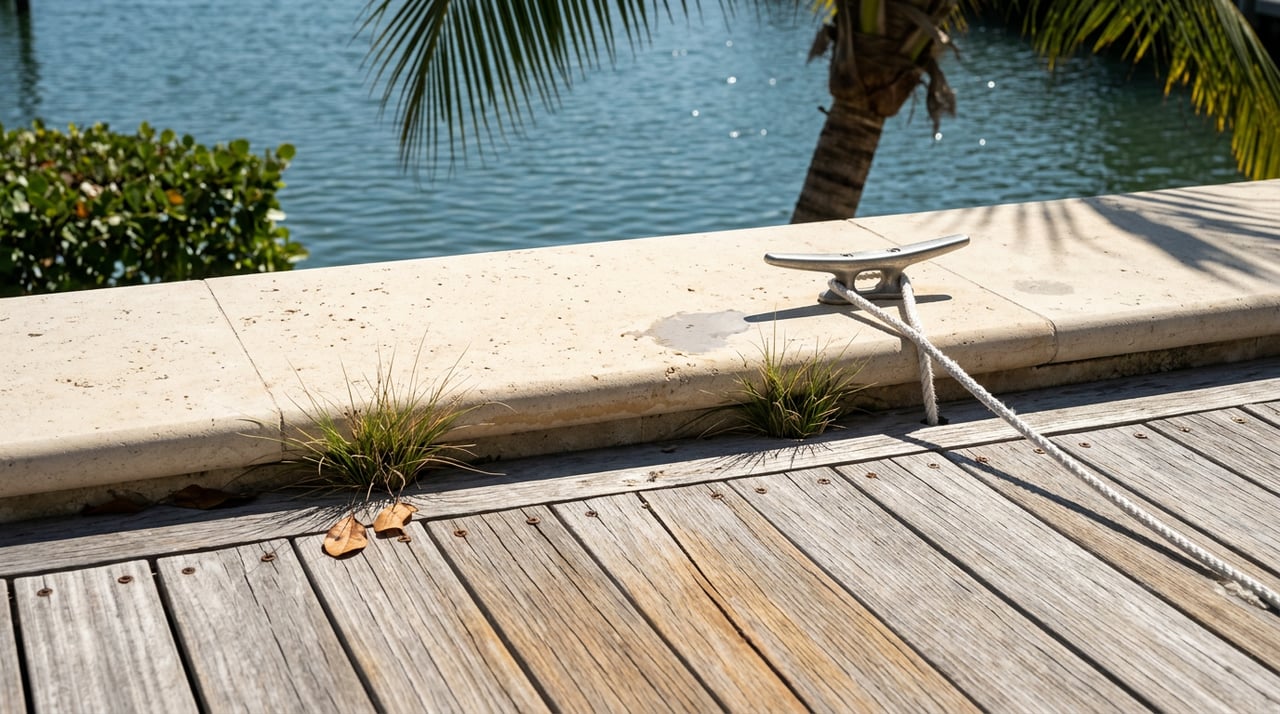
Typical canal parcels include a seawall and a private dock. Fixed or floating docks and boat lifts are common. Many setups accommodate center‑console boats, sportfishing boats, and dayboats. If you are considering a larger vessel, confirm the dock footprint, canal width, and water depth with a marine surveyor. For construction history and lot dimensions, review Collier County records and any available permits.
Mornings often start with a quiet launch for inshore fishing or a leisurely back‑bay cruise. Afternoons might include paddleboarding in the protected canals or meeting friends at a waterfront restaurant. Evenings are for sunset watching from your seawall, deck, or a slow loop through the bay. Boaters here tend to share local knowledge on tides, events, and best routes, and neighbors often lend a hand with lines.
Southwest Florida boating is year‑round, with winter season activity peaking. Expect more traffic and demand for transient slips during busy months. Special events, including boat parades, can bring short‑term closures or no‑wake adjustments, so plan your outings accordingly.
Bring a waterfront‑specific lens to your due diligence. At minimum, confirm:
Waterfront improvements typically require permits. Docks, boat lifts, and seawalls are usually permitted through Collier County, with potential involvement from state agencies for work on or over submerged lands. Certain activities may also require federal permits. Before you budget or schedule a project, confirm the process with the Collier County Building & Permitting Department and consult qualified marine contractors.
Environmental oversight is part of responsible ownership. Natural sedimentation can cause shoaling in canals, and maintenance dredging is regulated. Ask about any neighborhood plans, schedules, or assessments related to dredging.
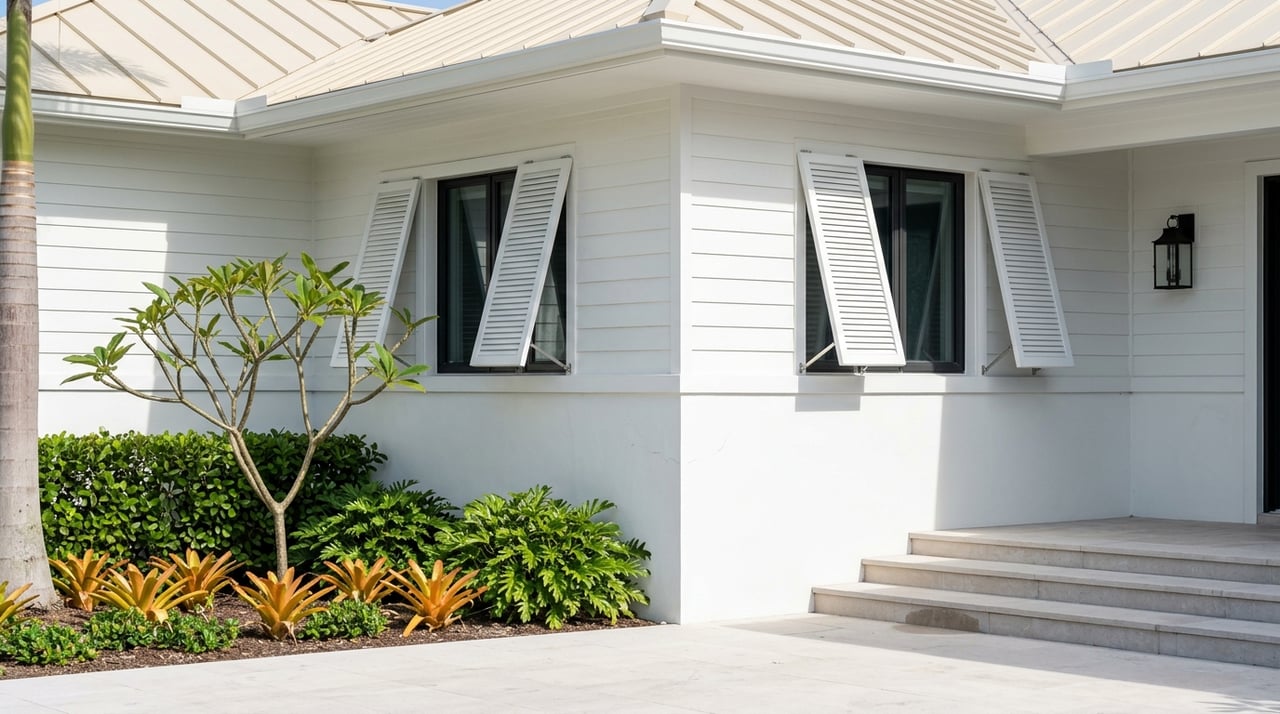
If a property lies in a high‑risk flood zone, a lender will often require flood insurance. Windstorm or hurricane coverage is also part of most coastal programs. Obtain quotes tied to the specific property, elevation certificate, and coverage details. Plan for practical storm preparedness, including shuttering solutions, elevated utilities where appropriate, and generator options.
Owning on the water includes ongoing upkeep beyond standard home maintenance. Typical items include:
Exact costs vary by property and equipment. Build a reserve for both routine and long‑term items.
You have convenient access to marina services in and around downtown Naples and nearby areas. Fuel docks, pump‑out stations, and marine supply shops are readily available in the local network. During peak season, plan ahead for transient slip reservations and busier weekend traffic.
Several elements influence value and future resale potential:
Well‑documented seawalls, current permits, and a clear maintenance history can support buyer confidence and long‑term value.
Buying or selling waterfront property requires specialized guidance. You deserve an advisor who understands canals, docks, permits, and insurance, and who can coordinate the right experts at each step. The Norgart Team offers concierge‑level advisory, VIP access, and project‑managed execution supported by a curated network of inspectors, marine surveyors, and contractors. We help you evaluate lifestyle fit, protect your time, and move with confidence.
Ready to explore Royal Harbor? Connect with The Norgart Team for discreet advice and a seamless, waterfront‑smart plan.
Stay up to date on the latest real estate trends.