Pelican Bay For Seasonal Residents: A Lock‑And‑Leave Guide
March 12, 2026
March 12, 2026
If you want a Naples second home you can lock, leave, and love, Pelican Bay belongs on your short list. You get private beach access, dining on the sand, and a tram that makes daily life effortless. At the same time, you need a clear plan for governance, insurance, and storm season so your retreat stays truly low maintenance. This guide shows you how Pelican Bay is built for seasonal living and what to verify before you buy. Let’s dive in.
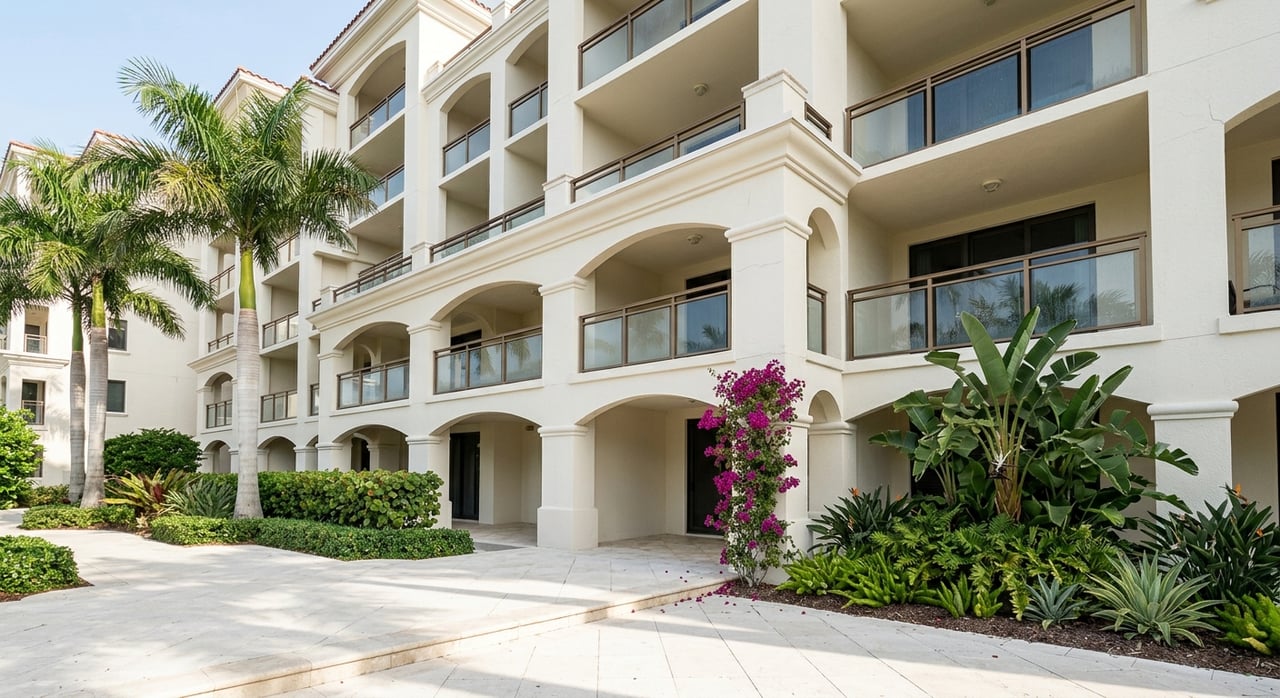
Pelican Bay is a master-planned coastal community with nearly three miles of private white-sand beach, a staffed Community Center, and a broad mix of neighborhoods totaling about 6,500 residences. The amenities are operated by the Pelican Bay Foundation, which centralizes services many owners would otherwise manage on their own. That structure is a powerful advantage for seasonal buyers seeking ease, access, and quality.
An open-air, electric tram connects eight stations to the north and south beach boardwalks, so you skip the parking hunt and step onto the sand in minutes. The Foundation reports more than 900,000 tram trips to the beach each year, with staffing and frequency adjusted by season. At the beach, attendants handle chair and umbrella setup and there are on-beach dining options, which removes day-to-day logistics for you. Review the Foundation’s overview and tram details to understand service patterns and peak-season cadence. Pelican Bay community overview. Tram service details.
The Community Center anchors fitness, wellness, and social programming. Because it is staffed and Foundation-run, you can arrive and plug into classes, events, and clubs without sourcing individual vendors. That keeps your calendar rich and your to-do list light. Check current programming and hours when you plan seasonal stays.
Pelican Bay supports an active racquets culture and coordinated water-sport access like sailing and kayaks. Counts of pickleball and tennis courts can vary in Foundation materials due to renovations and counting standards, so verify numbers by building if that is important to your routine. The takeaway is simple: you gain easy access to play without owning or managing gear.
The private Club Pelican Bay offers golf and social memberships, but membership does not automatically transfer with a home purchase. If golf is a priority, confirm membership categories, availability, and costs directly with the Club during due diligence. Review the Foundation’s realtor-facing overview for context. Club membership overview.
Understanding Pelican Bay’s layered structure helps you project true carrying costs and amenity access.
The Foundation charges a resale transfer assessment at closing. The Rules and Regulations describe the process and a one-time exemption that may be available if a current owner buys an additional Pelican Bay property. The exact dollar amount can change over time, so rely on the Foundation or the property’s estoppel or resale certificate rather than an online listing.
If you plan seasonal rentals, pay close attention to timelines and access. Lease applications and tenant-card requests must be submitted to the Foundation at least 30 days before the lease start. When tenants receive tenant cards, many associations suspend the owners’ access for the lease term. Unaccompanied guest cards have limits and fees, and there are special rules for guests who live seasonally in nearby counties. Confirm both the building’s leasing policy and the Foundation’s card rules before you write an offer.
Florida now requires milestone structural inspections and Structural Integrity Reserve Studies for residential buildings that are three stories or higher. Associations must complete studies on state timelines and fund reserves accordingly. These reports influence future assessments and capital planning, especially for high-rises. Review the building’s inspection and reporting status on the Division of Condominiums portal, then request the full reports as part of due diligence. State inspection and SIRS portal.
Ask for the building’s milestone and SIRS reports, reserve funding schedules, and any board minutes that discuss special assessments or loans. You want to understand near-term projects, elevator or façade work, and how reserves align with studies. Pair this with service contracts for elevators, security, and pools to see renewal timing and cost trends.
Atlantic hurricane season runs June 1 through November 30, with activity often peaking in August through October. If you leave the home for summer and fall, set a written pre-storm plan with your building manager or CAM and line up vendors in advance. Expect that contractor availability and insurance timelines can tighten after a named storm. National Hurricane Center.
Flood exposure is property specific. Pull the FEMA Flood Insurance Rate Map panel for the parcel and request any elevation certificate on file. If the property sits in a higher-risk zone, your lender may require flood insurance and you should ask the seller about prior flood claims. FEMA Flood Map Service Center.
In Florida, associations insure the building and defined common elements while unit owners typically maintain HO-6 policies for interior finishes, contents, liability, and loss assessment coverage. Ask for the association’s master policy declarations and deductible summary so your HO-6 fills the gaps. A Florida statute outlines condominium insurance responsibilities. Florida Statute 718.111.
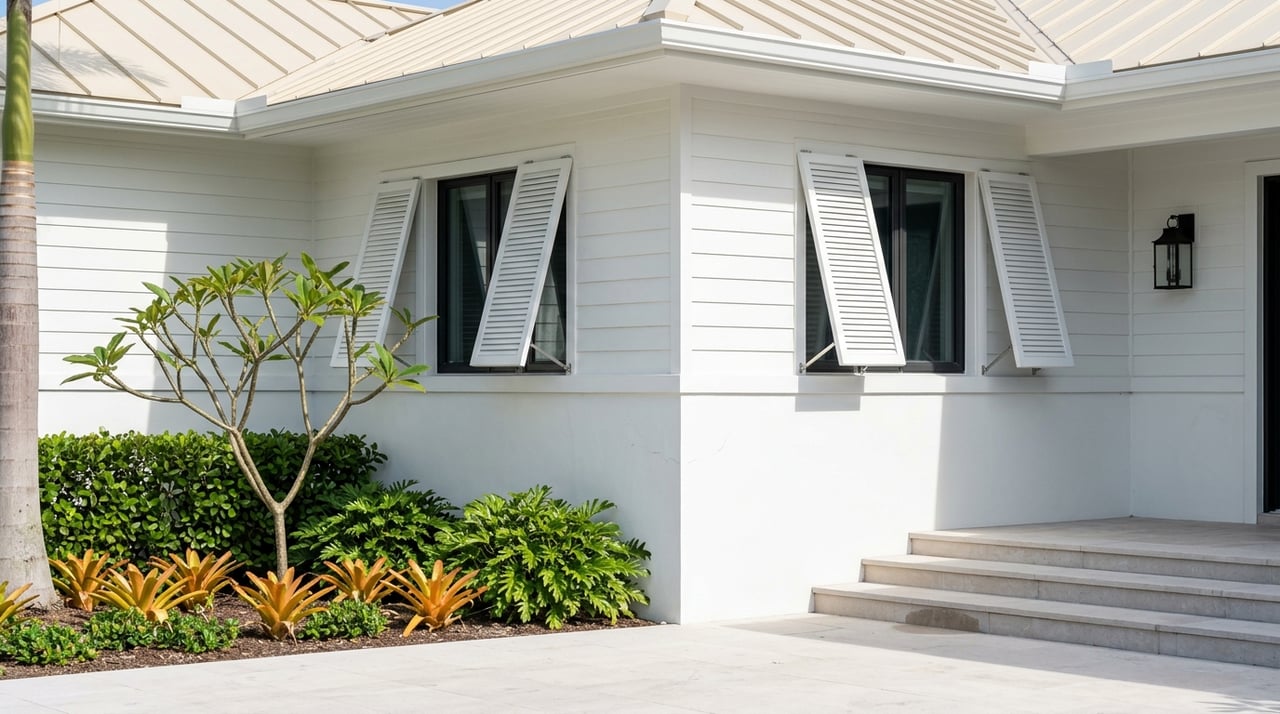
Many coastal policies carry percentage-based hurricane or wind deductibles. Discounts can apply for documented wind-mitigation features like impact-rated windows or reinforced roof attachments. Florida’s My Safe Florida Home program focuses on inspections and grants for eligible owner-occupied site-built homes, and many second homes or condos may not qualify. Discuss current market rules and credits with a coastal insurance broker. My Safe Florida Home guide.
Before you commit, request these items and make them part of your review timeline.
Pelican Bay sits within Naples’ luxury coastal segment, and prices vary widely by product type, view, and building. Buyer traffic and rental interest are strongest in winter and spring, so expect more showings and faster response times then. If you prefer a quieter experience for inspections and vendor walkthroughs, late spring or early fall can be practical windows. For up-to-date comps and building-specific context, work with a local advisor who tracks this micro-market weekly.
Ready to tailor this to your goals and calendar? Connect with The Norgart Team to map your building short list, gather the right documents, and structure a smooth, lock-and-leave purchase. Become a VIP and request private access to upcoming and off-market opportunities.
Stay up to date on the latest real estate trends.