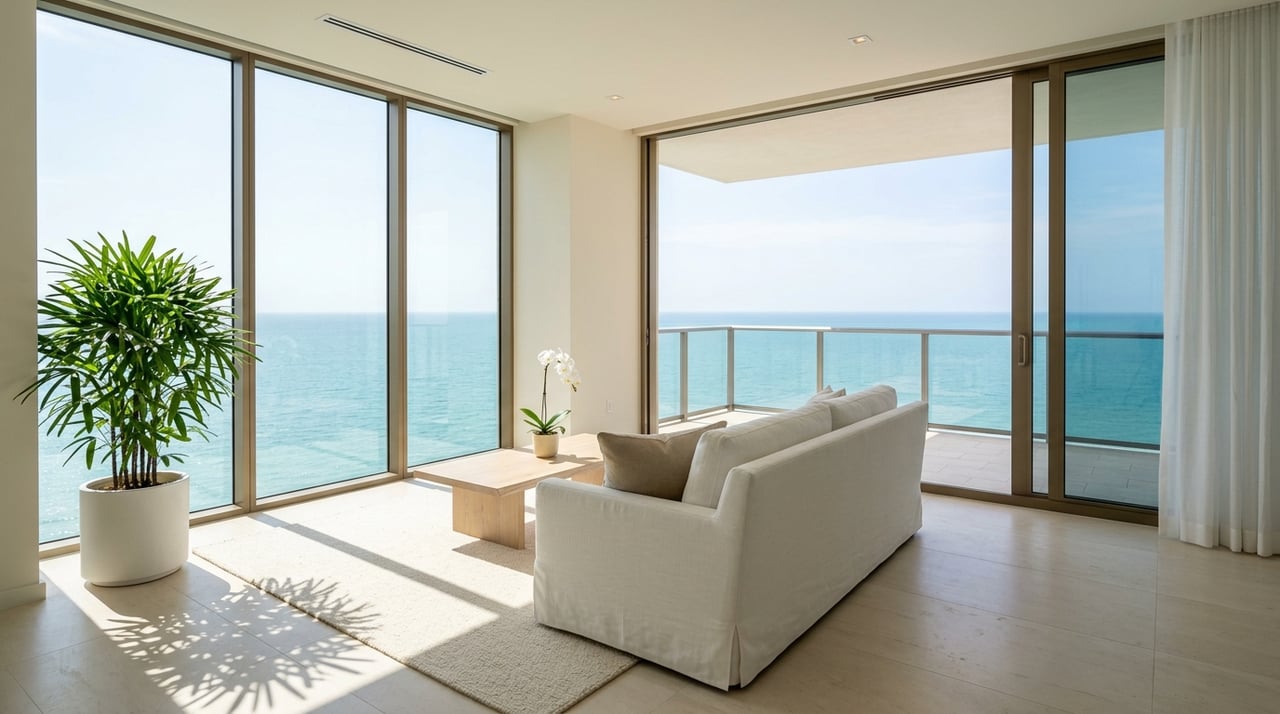
How Gulf Shore Boulevard Condo Views Shape Each Layout
May 21, 2026
May 21, 2026
If you have ever looked at two Gulf Shore Boulevard condos with similar square footage and wondered why they feel completely different, the answer is usually the view and the layout. On this stretch of Naples coastline, the same street can deliver beachfront panoramas, bay vistas, landscaped foregrounds, and very different indoor-outdoor living experiences. If you understand how orientation, floor height, stack position, and balcony design work together, you can shop more confidently and compare condos with far more clarity. Let’s dive in.
Gulf Shore Boulevard is not one uniform condo setting. In Naples, this corridor includes buildings in Park Shore, the Moorings, and the Gulf Shore condo group south of Doctors Pass, so the street can include beachfront towers, bay-adjacent buildings, and access-point corridors.
That matters because your view is shaped by more than the address alone. Depending on the building and the exact line, you may look directly toward the Gulf, across Venetian Bay, over landscaped grounds, or toward a mix of water and neighborhood foreground.
The City of Naples beach-access map adds another layer of context. Beach walks and pathways tied to certain Gulf Shore addresses can influence how open or private a lower-floor view feels, especially where dune lines, pedestrian access, or nearby activity sit in the foreground.
When buyers picture the classic Gulf Shore Boulevard experience, they are usually thinking of west or southwest exposure. Those orientations tend to deliver the strongest Gulf and sunset views, which is why they draw so much attention in beachfront buildings.
You can see this pattern across several Gulf Shore properties. Regency Towers notes southwestern exposure, while Surfsedge says south-facing units have a more expansive Gulf view than many other lines. Le Ciel Venetian Tower and the Meridian Club also highlight both Gulf and Venetian Bay views, showing that a premium outlook is not limited to one direction.
A west-facing or southwest-facing lanai often gives you the most direct relationship to the water horizon. That usually means stronger sunset orientation and a more immediate Gulf feel from the main living spaces.
If your goal is a classic beachfront visual experience, this is often the first orientation to identify in a listing. It can also help explain pricing differences between units that otherwise look similar on paper.
South-facing units can be especially interesting on Gulf Shore Boulevard. Instead of a straight-on Gulf horizon, they may offer a broader angled view that feels wider and more layered.
At Surfsedge, south-facing units are specifically noted for having the broadest Gulf exposure. For some buyers, that wider oblique view is just as appealing as a direct west-facing sightline.
A bay view is not automatically a compromise. Buildings like Le Ciel Venetian Tower and the Meridian Club actively market Gulf and Venetian Bay exposures, which shows that bay-facing residences can be part of the luxury appeal.
In some cases, a bay view offers a different kind of visual experience. You may get more city lights, boating activity, or a broader sense of open water, even if the Gulf is not directly centered in your view.
Higher floors often open up the horizon, but they are not always the automatic winner. View quality depends on the combination of elevation, spacing between buildings, and what sits in the foreground.
Research on high-rise housing supports this idea. View quality is considered its own value driver, and premiums are influenced not only by the parcel but also by floor level and building spacing.
On Gulf Shore Boulevard, a higher floor often gives you a cleaner horizon line and less visual interruption from landscaping or nearby structures. If you want a long-range water view, upper floors usually deserve a closer look.
They may also change the overall feel of the condo. The same floor plan can feel brighter, more open, and more dramatic as you move higher in the building.
Lower floors can offer advantages too. In some buildings, they feel more connected to the beach, pool, and landscaping, which creates a different but very enjoyable living experience.
That can matter on Gulf Shore Boulevard, where foreground activity and beach access points can shape the feel of the unit. A lower floor may give you less horizon, but more immediate lifestyle connection.
Buyers often focus on the exterior view first, but the interior layout determines how much of that view you actually enjoy day to day. Window placement, balcony depth, bedroom separation, and the number of units per floor all affect the experience.
A condo with a strong line placement but a less view-centered floor plan may not live as well as one designed to pull the outdoors into the main living areas. That is why it helps to evaluate the layout and the orientation together.
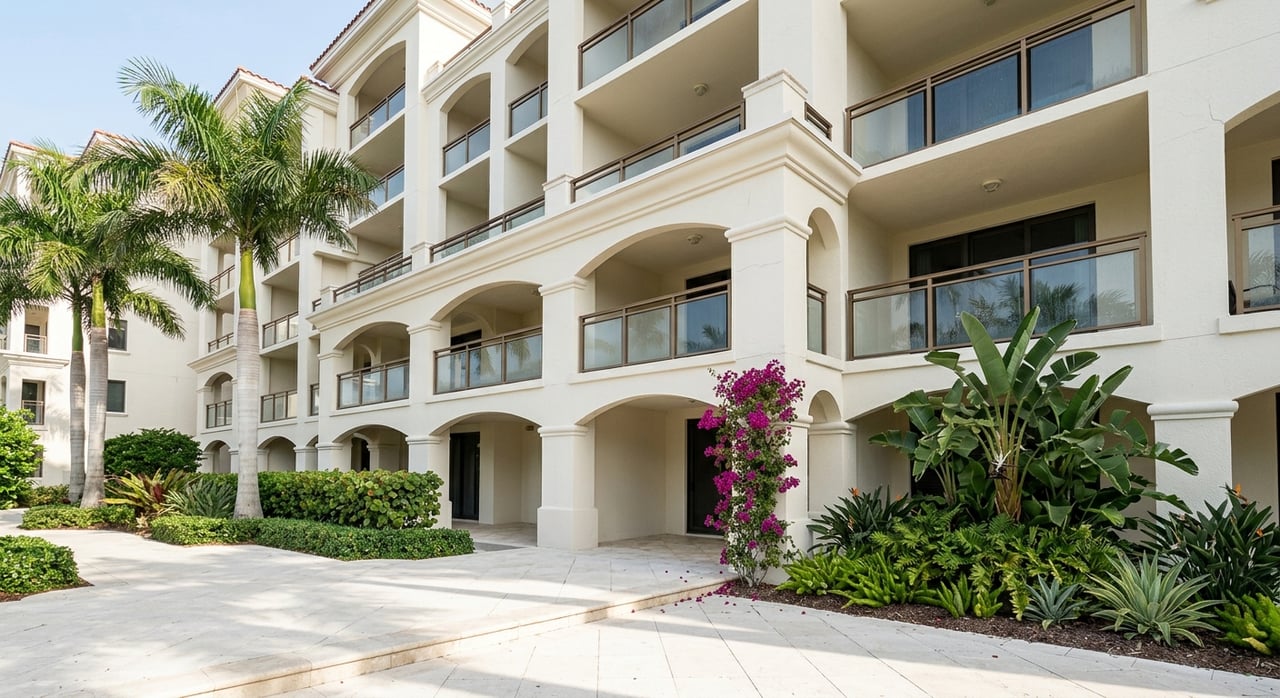
Gulf Shore Boulevard includes a wide mix of building styles, from older low-rise properties to taller luxury towers. That variety creates meaningful differences in privacy, light, and sightlines.
Buildings with fewer units per floor often provide more separation between residences and more individualized view corridors. Le Ciel Venetian Tower has five units per floor, while the Meridian Club has four units per floor plus one first-level unit.
That lower density can improve how private and distinct each line feels. It may also create more corner-style opportunities, wider glass exposure, and a stronger sense of exclusivity.
Buildings with more units per floor usually create more variation by stack. Surfsedge has eight units per floor, and Gulfside has been noted as having nine units per floor.
That does not make them less appealing. It simply means that the exact unit line becomes even more important, because different stacks may have very different view corridors within the same building.
Low-rise buildings can produce some of the biggest line-to-line differences. Gulf Towers, for example, has six residential floors with six units per floor, along with a bay-side garden and Gulf-side pool.
In a building like that, one unit may feel closely tied to the Gulf, another to the bay, and another to the landscaped grounds. The address stays the same, but the living experience can shift meaningfully by side and line.
On Gulf Shore Boulevard, the stack or line number often matters almost as much as the building name. Listings commonly use these labels to distinguish floor plans that look similar but have very different view paths.
An end stack or corner line often brings more glass, more light, and sometimes more than one direction of view. A middle stack may offer a narrower but more consistent sightline, which some buyers prefer for simplicity and predictability.
Corner and end positions often benefit from multiple exposures. That can create a brighter interior and give you side views in addition to the primary water orientation.
In luxury towers, that extra dimension can make the condo feel significantly larger than the stated square footage. It also tends to improve the indoor-outdoor flow when the balcony wraps around the living space.
Middle stacks are often more straightforward to read. You usually get a more centered viewpoint, but with less side glass and fewer directional changes.
For some buyers, that is a benefit. If you want a focused view corridor without as much variation, a middle stack can be easier to evaluate.
Photos can be helpful, but only if you know what to look for. On Gulf Shore Boulevard, a polished listing may still leave out important clues unless you study the orientation and the plan.
Here are a few smart ways to read a condo listing more carefully:
A west or southwest-facing lanai usually signals the strongest Gulf and sunset exposure. A south-facing line may offer a wider angled outlook rather than a straight water horizon.
That distinction is small on paper but important in person. It can change how the condo feels in the late afternoon and how much water you see from inside.
A great-room or open living-dining layout often places the view at the center of the home. Split-bedroom plans can also work well because they preserve privacy while keeping the main living spaces open to the balcony and glass.
When a listing highlights floor-to-ceiling glass or a screened lanai, that often points to a more view-driven design. The goal is not just to have a good view, but to experience it from the rooms you use most.
The lanai can dramatically change how a unit lives. The Meridian Club’s large wraparound balconies show how outdoor width can add usable space and extend side views beyond the interior footprint.
It is also worth noting whether a lanai is screened, open, or enclosed. In some buildings, modification rules can affect how that outdoor area looks and functions over time.
When you are narrowing down options on Gulf Shore Boulevard, it helps to compare condos using the same set of criteria. That keeps you from overvaluing square footage while missing the factors that shape daily enjoyment.
Focus on these points when comparing units:
A condo that wins on all of these factors will usually feel special the moment you walk in. Just as important, it will be easier to understand why it is priced differently from a nearby alternative.
The smartest way to evaluate a Gulf Shore Boulevard condo is to think beyond “water view” as a single category. On this street, the best fit often comes down to how the view, floor height, line placement, and layout work together.
That is why two condos in the same building can offer very different experiences. If you understand those details before you tour, you can make faster, more confident decisions and focus on the residences that truly match your lifestyle.
If you want a concierge-level perspective on Gulf Shore Boulevard condos, from stack selection to view analysis, connect with The Norgart Team.
Stay up to date on the latest real estate trends.