Common Mistakes When Buying A Naples Second Home
April 9, 2026
April 9, 2026
If you are buying a second home in Naples, it is easy to fall in love with the view and miss the details that matter most. Many buyers focus on the beach, boating access, or resort-style amenities, only to discover later that taxes, flood exposure, association rules, and neighborhood fit can shape daily ownership far more than a listing photo suggests. The good news is that a few smart checks early in the process can help you buy with more confidence and fewer surprises. Let’s dive in.
One of the most common mistakes when buying a Naples second home is underestimating the full cost of ownership. Your monthly and annual expenses may include property taxes, homeowners insurance, flood insurance, association fees, and in some cases special assessments.
For many second-home buyers, property taxes are a key surprise. According to the Florida Department of Revenue, homestead and Save Our Homes benefits generally apply only when a property is your permanent residence. In Collier County, that means you should usually model a Naples second home as non-homestead property unless you truly plan to make it your primary residence.
Flood-related costs also deserve close attention, especially in coastal areas. The City of Naples flood insurance guidance explains that flood damage is not covered by standard homeowners insurance and recommends considering flood coverage even when it is not required. FEMA also notes that federally regulated or insured lenders require flood insurance for buildings located in Special Flood Hazard Areas.
In Naples, flood zone details matter because the city’s current maps identify areas such as Zone VE as coastal high-hazard zones, where wave action and fast-moving water can cause structural damage. If you are comparing two waterfront homes, the difference in flood exposure can significantly affect both risk and carrying costs.
Another mistake is assuming your future costs begin and end with taxes and insurance. In Naples, special assessments can add meaningful expense because they are bills to property owners for neighborhood infrastructure improvements and are collected through the property tax roll.
These costs are not theoretical. The City of Naples lists assessment areas that include completed projects still being paid, including Port Royal dredging and utility-line work in Aqualane Shores. The city also notes that the Aqualane Shores area is low-lying and susceptible to rising sea levels and tides, which shows why infrastructure planning can directly affect ownership costs.
Assessment methods can vary by lot, square footage, number of connections, road frontage, or property value. That means two nearby properties may not carry the same future obligations. Before you buy, it is wise to ask what has already been assessed, what remains unpaid, and whether additional projects are being discussed.
A second home should support the way you plan to use it. That is why association documents should never be treated like standard paperwork.
Under Florida law, condominium associations must maintain and provide governing documents and certain financial records for prospective purchasers. HOA records can include the declaration, bylaws, articles, current rules, insurance policies, contracts, meeting minutes, and financial statements. You can review the applicable condo requirements in Florida Statute 718.111.
These records can reveal whether a property works for your actual goals. If you want a seasonal residence, a future rental, or a lock-and-leave condo, details around leasing, parking, pets, guests, renovations, and amenity use may be far more important than the kitchen finishes.
The Florida Realtors guidance on HOA rules notes that community covenants can affect rentals, parking, architectural changes, and pet restrictions. In other words, what looks perfect online may not support how you plan to live in or use the property.
If you are considering a condominium, another common mistake is focusing only on monthly fees without looking at long-term building obligations. Recent Florida disclosure requirements may include milestone inspection summaries, turnover inspection reports, and the association’s most recent structural integrity reserve study, when applicable.
These are not just compliance items. As outlined in Florida Statute 718.503, these materials can help you understand future repair and replacement funding needs. A reserve study can be especially useful because it may point to future increases in dues or the potential for assessments.
This is one reason many buyers benefit from having an attorney review association documents before closing. The Florida Realtors legal resource on condo and HOA rules recommends working with an attorney knowledgeable about community association law.
Naples neighborhoods can look similar in listing photos, but they often function very differently in everyday life. Choosing the wrong fit is one of the biggest second-home buying mistakes because your location shapes how easy and enjoyable ownership will feel.
The better question is not just, “Is this a beautiful home?” It is also, “Does this neighborhood support the way I want to spend my time?”
According to the City of Naples community information, Park Shore is a waterfront Gulf-side neighborhood with both homes and condos. For many buyers, it offers a middle ground between waterfront living and condo convenience.
Pelican Bay is known for private beach access, tram service, beach attendants, fitness, racquets, and community dining. If your second-home priority is beach access paired with managed amenities, this type of setting may align well with a resort-style lifestyle.
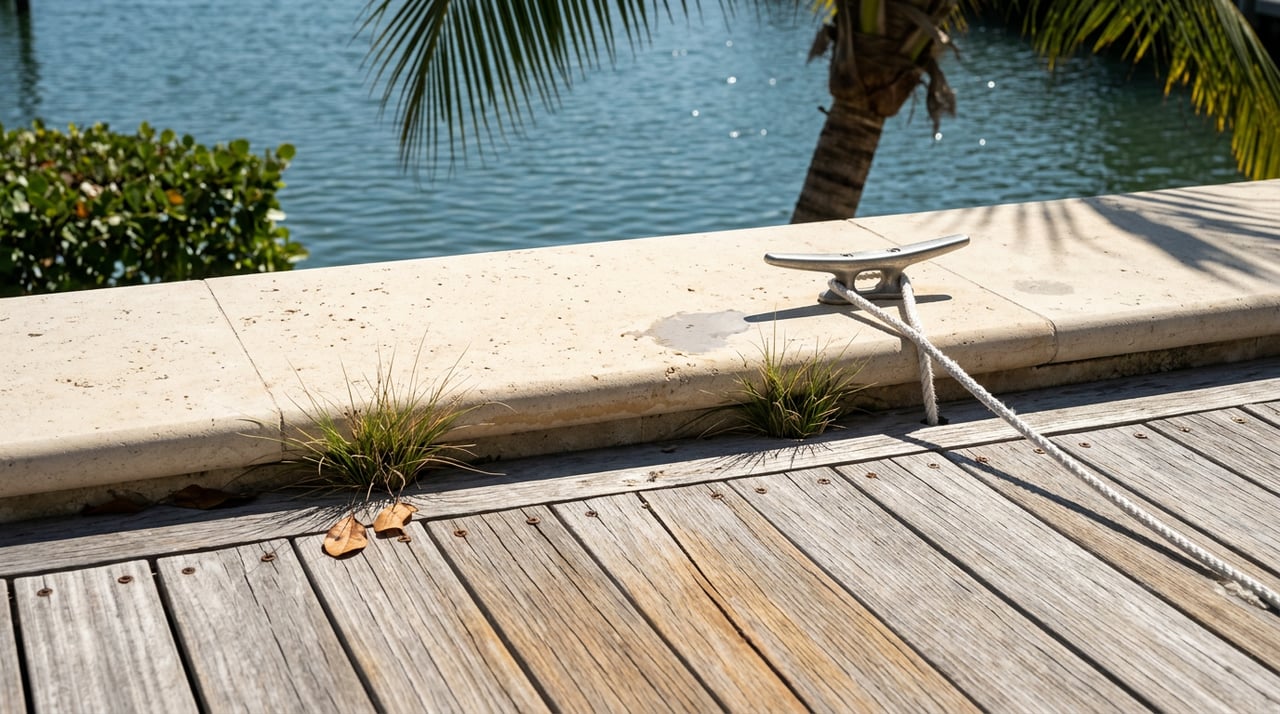
Aqualane Shores is a waterfront community with deep-water channels and Gulf access. Buyers who prioritize boating may be drawn to this profile, but it is also important to understand the area’s infrastructure sensitivity, flood considerations, and any special assessment history.
Royal Harbor sits within the East Naples Bay canal district and has a strong waterfront orientation. If your focus is boating and canal access, it may offer a very different ownership experience from a condo-centered beach community.
Even in top-tier coastal neighborhoods, infrastructure costs can matter. The city’s Port Royal Area Dredging Special Assessment Area is a reminder that luxury location does not eliminate the need for careful due diligence.
The best way to avoid costly surprises is to build a clear due diligence plan before you get too far into contract. A disciplined process can help you compare homes more accurately and avoid decisions based only on appearance or emotion.
Here is a practical checklist for Naples second-home buyers:
This kind of upfront work can save you from buying a home that looks ideal but performs poorly for your needs.
A Naples second home can be an exceptional lifestyle purchase, but only if the property fits how you actually plan to use it. Beach access, boating, lock-and-leave convenience, and amenity preferences all matter, yet so do insurance costs, tax treatment, flood zone realities, reserve funding, and neighborhood infrastructure.
The goal is not to make the process feel overwhelming. It is to help you make a more informed decision with fewer surprises after closing. When you understand the full picture, you can buy with more clarity and enjoy your Naples home the way you intended.
If you want a concierge-level approach to comparing neighborhoods, reviewing ownership considerations, and identifying the right second-home fit in Naples, connect with The Norgart Team. Their local insight and high-touch guidance can help you move forward with confidence.
Stay up to date on the latest real estate trends.