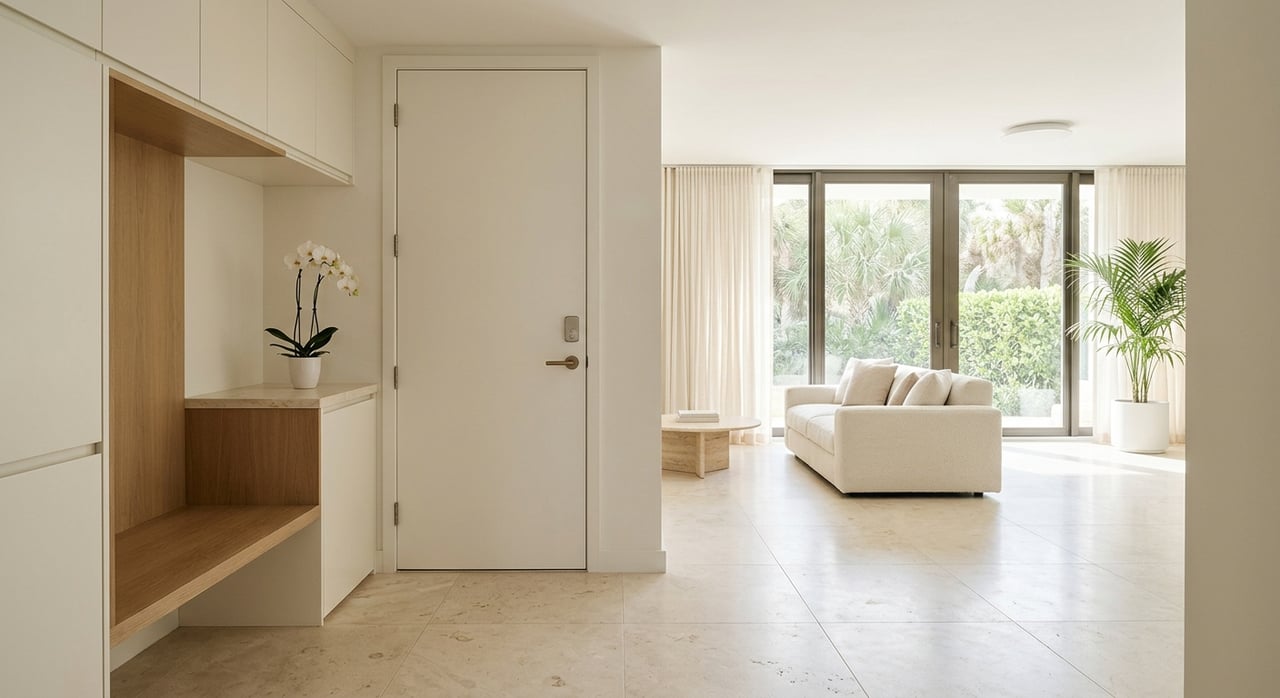
Downsizing to an Old Naples Condo for Walkable Living
July 9, 2026
July 9, 2026
If you are thinking about trading square footage for simplicity, Olde Naples can make that move feel less like a compromise and more like an upgrade. You may want a home that is easy to lock up, comfortable to return to, and close to the places you actually enjoy using every day. In this guide, you will learn how to narrow your search, what to review before you buy, and how to choose an Olde Naples home that supports a walkable, low-maintenance lifestyle. Let’s dive in.
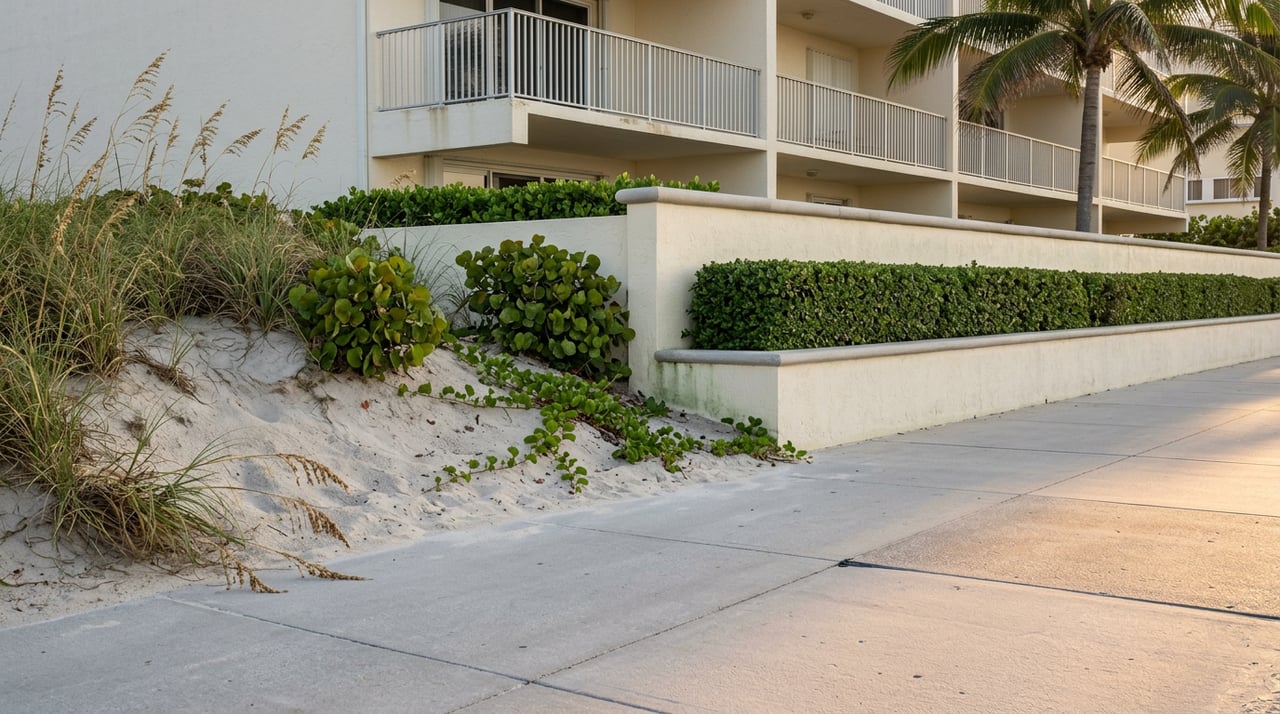
Olde Naples stands out because it is compact, central, and built around an in-town lifestyle. The City of Naples describes it as the neighborhood with many of the city’s original homes, stretching north from Third Street South to the Naples Beach Hotel and Golf Club area, and west from US 41 to the beach. That footprint helps explain why so many buyers see it as one of the most walkable parts of Naples.
For many downsizers, walkability is not just a perk. It is part of the reason to move. Fifth Avenue South runs from Tamiami Trail to the Gulf of Mexico and is known for pedestrian-friendly promenades, dining, shopping, galleries, and entertainment, which means your daily routine can feel lighter and less car-dependent.
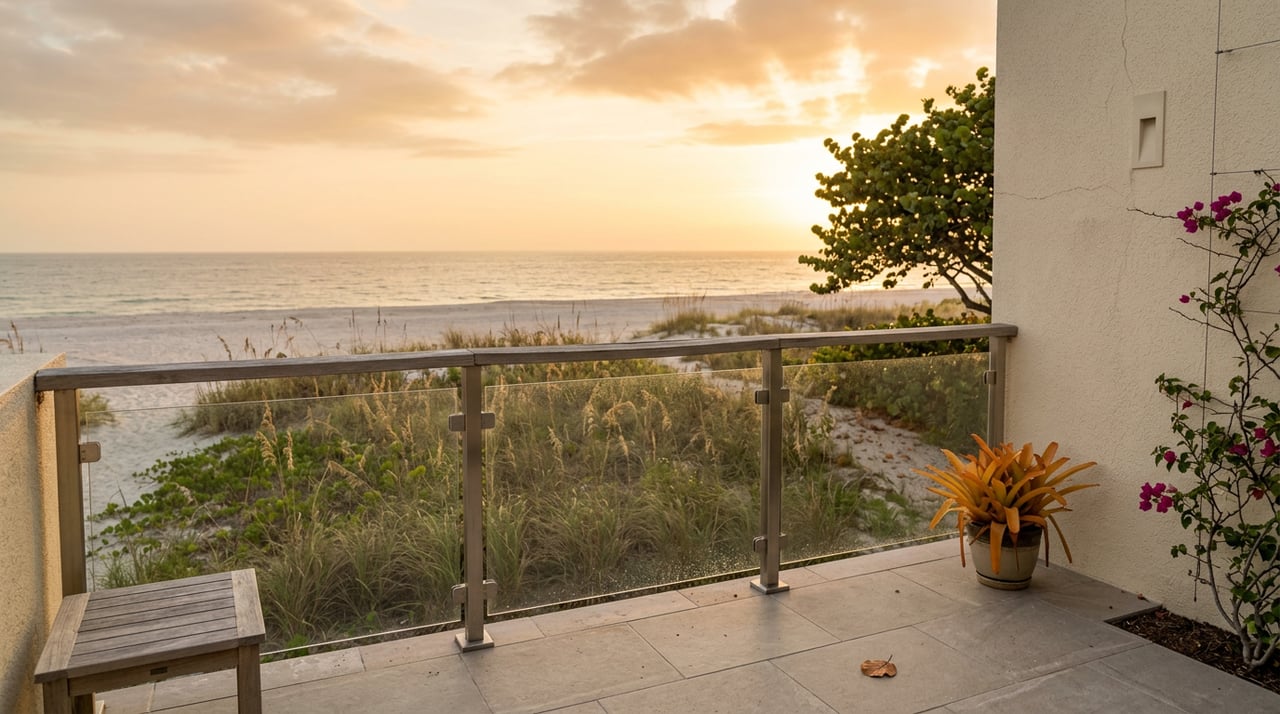
Beach access also shapes the appeal. The City of Naples reports nearly 9 miles of coastline and 40 beach accesses, including nearby points at 5th Avenue South, 8th Avenue South, Broad Avenue South, and 12th Avenue South at the pier. If you picture morning walks, sunset visits, or quick beach trips without planning a drive, location within Olde Naples matters in a very practical way.
A true lock-and-leave home is about more than size. It is a property where the ownership structure helps reduce the number of day-to-day tasks that fall on you. That can be especially important if you split time between Naples and another home.
In Olde Naples, the best fit is often a condominium or an attached home with strong association support. The key is not the marketing description. The key is what the governing documents say the association maintains, repairs, insures, and manages on your behalf.
For many seasonal buyers, the goal is simple: come and go with confidence. That usually means looking closely at exterior maintenance, building systems, common-area care, security features, parking, and how the association handles emergency planning.
Florida law draws an important distinction between condominiums and homes governed by a homeowners’ association. That difference can affect your monthly responsibilities as much as your monthly costs.
Condominium common expenses in Florida can include operation, maintenance, repair, replacement, and protection of common elements and association property. Depending on the building and documents, that can shift a meaningful share of upkeep away from the individual owner.
An HOA-governed villa or attached home can also work well for downsizers, but the amount of included maintenance may vary more from one community to another. In other words, two homes may both sound low maintenance, yet offer very different levels of support.
| Property type | What to verify | Why it matters |
|---|---|---|
| Condominium | What the condo association maintains as part of common expenses | Helps you understand how much upkeep is handled for you |
| HOA-governed home | Exterior care, roof responsibility, grounds maintenance, and common-area services | Included maintenance can differ widely by community |
| Either structure | Parking, storage, bike space, and rules for personal items | These details shape day-to-day convenience |
When you downsize in Olde Naples, you are not just buying a residence. You are buying proximity. That is why a smaller home in the right location may serve you better than a larger home that requires more driving.
Start by thinking about the places you want to reach on foot. For some buyers, that means Fifth Avenue South for dining and errands. For others, it means Third Street South, the beach, or the Naples Pier area.
Because beach parking is regulated year-round and some beach ends are reserved for permit holders, being able to walk to a beach access point can carry real lifestyle value. In many cases, that convenience matters more than having a car-friendly address.
Once you find a promising property, the next step is document review. This is where a lock-and-leave purchase is either confirmed or questioned. A beautiful unit can still be the wrong fit if the association is underprepared or unclear about owner responsibilities.
For condominiums, Florida law requires associations to maintain official records, including items such as bylaws, the declaration, current rules, meeting minutes, permits, plans, and warranties. Those records generally must be made available within 10 working days after a proper written request.
HOA communities also have recordkeeping and access requirements. Chapter 720 requires official records to be maintained for at least 7 years, made available within 10 business days after a written request, and supported by a financial report within 90 days after the fiscal year ends.
As you review a property, pay close attention to these categories:
In Olde Naples, some of the most appealing locations may also include older buildings. That does not make them a poor choice. It simply means your review should be more thorough.
For residential condominium and co-op buildings that are three habitable stories or more, Florida requires milestone inspections generally at 30 years of age and every 10 years after that. In areas with conditions such as proximity to salt water, local officials may require the first inspection at 25 years.
Florida also requires a structural integrity reserve study at least every 10 years for 3-plus-story residential condominium buildings. For many existing associations, these requirements have become a central part of buyer due diligence.
Condo associations must distribute the inspector-prepared summary of a milestone inspection within 45 days of receiving it and post it. Florida’s condo sale disclosure rules also require buyers to receive the current milestone summary and the most recent structural integrity reserve study when applicable.
It is easy to focus on the monthly fee, especially when you are comparing several homes at once. But for a downsizer, the better question is whether the association is planning for long-term upkeep in a disciplined way.
A lower fee may look attractive at first glance, yet it may also point to underfunded reserves or future assessments. Florida HOA financial reporting must disclose whether reserve accounts are fully funded and warn owners that special assessments may result if they are not.
Condo law also treats reserves, insurance, building maintenance, and repair as part of common expenses. That makes reserves an important part of your decision, especially if your goal is predictable ownership rather than surprise costs.
In a walkable neighborhood, it is tempting to think parking matters less. In practice, it still matters a great deal. In Olde Naples, parking can affect convenience, guest use, storage, and overall ease of ownership.
Beach access parking in Naples may be permit-based or pay-by-space, and some beach ends are reserved for permit holders only. That means a deeded or assigned space at home may carry more value than it first appears.
Ask direct questions early in the process:
Any Olde Naples purchase should include a clear conversation about flood risk. The City of Naples states that the city is particularly susceptible to flooding because it is fronted by the Gulf, includes bay and canal systems, and sits close to sea level.
The city also notes that 2024 Flood Insurance Rate Maps are in effect and recommends confirming flood information with an official flood-zone determination before purchase. That step is especially important if you are comparing buildings, street elevations, or properties near the beach and bay.
It is also important to remember that flood insurance is separate from standard homeowners insurance. According to the City of Naples, flood damage is not covered by ordinary homeowners policies, and owners should consider flood coverage even when it is not federally required.
For seasonal owners, the best lock-and-leave home is one that functions well even when you are not in residence. That depends partly on the building, but also on the association’s ability to manage disruption.
Florida condo and HOA statutes both give associations emergency powers during a declared state of emergency. These powers can include remote meetings, rescheduling meetings, relocating offices, and implementing disaster plans that may include shutting down elevators, water, sewer, security systems, or air conditioning.
That legal framework is worth understanding because it shows how the community can respond during storm-related events. For absentee owners, preparedness is not a side issue. It is part of what makes ownership feel more manageable.
The best Olde Naples downsizing purchase usually balances three things. First, you want walkability to the places that shape your daily routine, especially Fifth Avenue South and nearby beach access points. Second, you want a governance structure that reduces maintenance friction. Third, you want a document trail that shows the association is planning responsibly for coastal risk and long-term upkeep.
That balance looks a little different for every buyer. Some people will prioritize the shortest walk to the beach. Others will value a newer building, stronger reserves, or simpler parking and storage.
A calm, well-guided search can help you sort those tradeoffs without losing sight of the lifestyle you are trying to create. If you are considering a move in Olde Naples and want concierge-level guidance on finding the right walkable lock-and-leave home, connect with The Norgart Team.
Stay up to date on the latest real estate trends.