Architectural Styles In Port Royal And What They Offer Buyers
June 25, 2026
June 25, 2026
Wondering what a home’s architectural style really means when you buy in Port Royal? In this waterfront Naples neighborhood, style is not just about curb appeal. It shapes how you live day to day, how your home connects to the water, and what kind of upkeep you may want to plan for. If you are comparing estates in Port Royal, understanding the major style families can help you make a more confident choice. Let’s dive in.
In Port Royal, architecture follows a local design framework rather than a single look. The Port Royal Code focuses on physical form and community character, with an emphasis on compatible massing, varied roof planes, articulated facades, clear entrances, and concealed rooftop equipment.
That design framework also helps explain why so many homes here are built around outdoor living. Private frontage standards include features like porches, terraces, galleries, and arcades, which support the seamless transitions you often see between interior spaces, pools, lanais, and waterfront settings.
For buyers, that means style is about more than appearance. It often signals how a home handles light, shade, privacy, entertaining, and access to the water.
The code uses broad expression categories such as Lowcountry Vernacular, Village Revival, and Mainstreet Classical. In the market, though, you are more likely to see familiar labels like coastal contemporary, West Indies, Mediterranean Revival, transitional, or older Florida-style and ranch homes.
In practice, the code sets the framework and the market supplies the vocabulary. When you tour homes in Port Royal, it helps to look past the label and focus on what each style offers in layout, outdoor living, and maintenance.
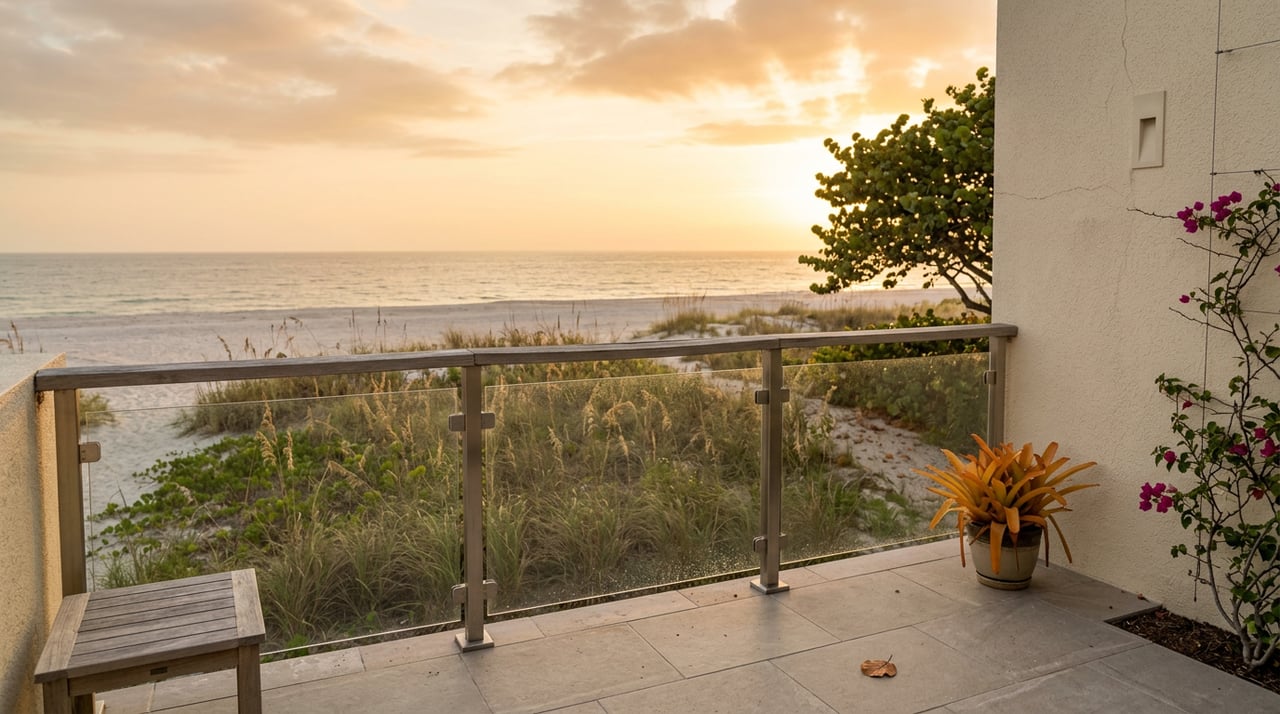
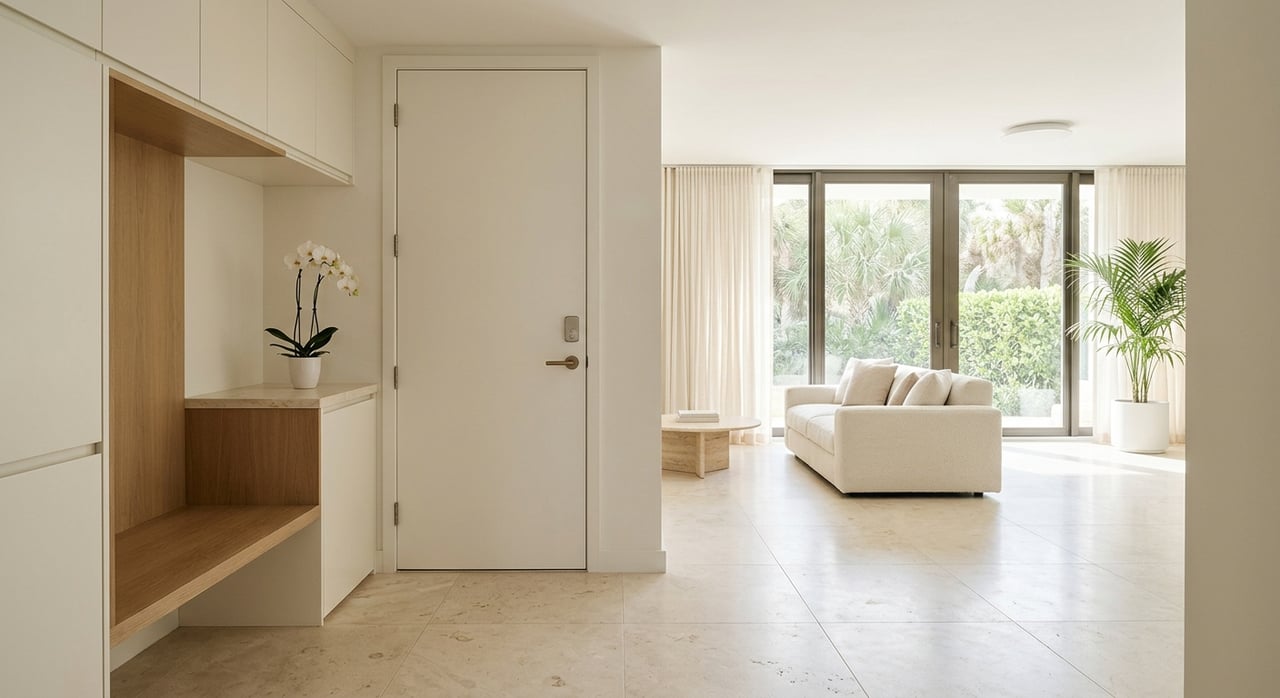
Coastal contemporary homes in Port Royal usually feature clean lines, large glass openings, open great rooms, light finishes, and strong indoor-outdoor flow. Many include pocketing sliders, natural wood tones, light stone, and broad outdoor living areas that open directly toward the pool or water.
For buyers, this style often offers the brightest interiors and the clearest view corridors. It also tends to make entertaining feel easy, since the kitchen, great room, lanai, and pool areas are often designed to work as one connected space.
In many examples, the primary suite or a home office is placed on the main level, while guest rooms are set above. That layout can make daily living feel especially convenient if you want your core living spaces close to the water.
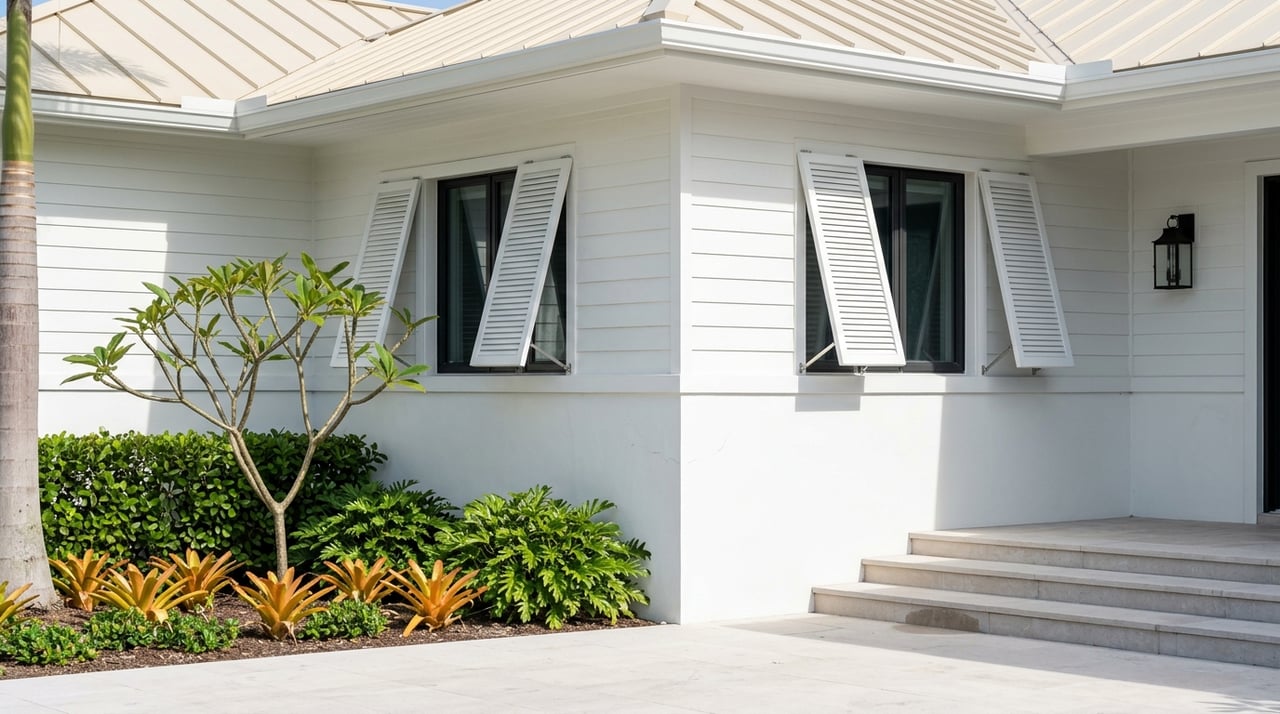
West Indies and British West Indies homes are common in luxury coastal markets, and Port Royal is no exception. These homes often feature smooth stucco, metal or flat-tile roofs, shutters or Bahama shutters, balconies, columns, verandas, and high ceilings.
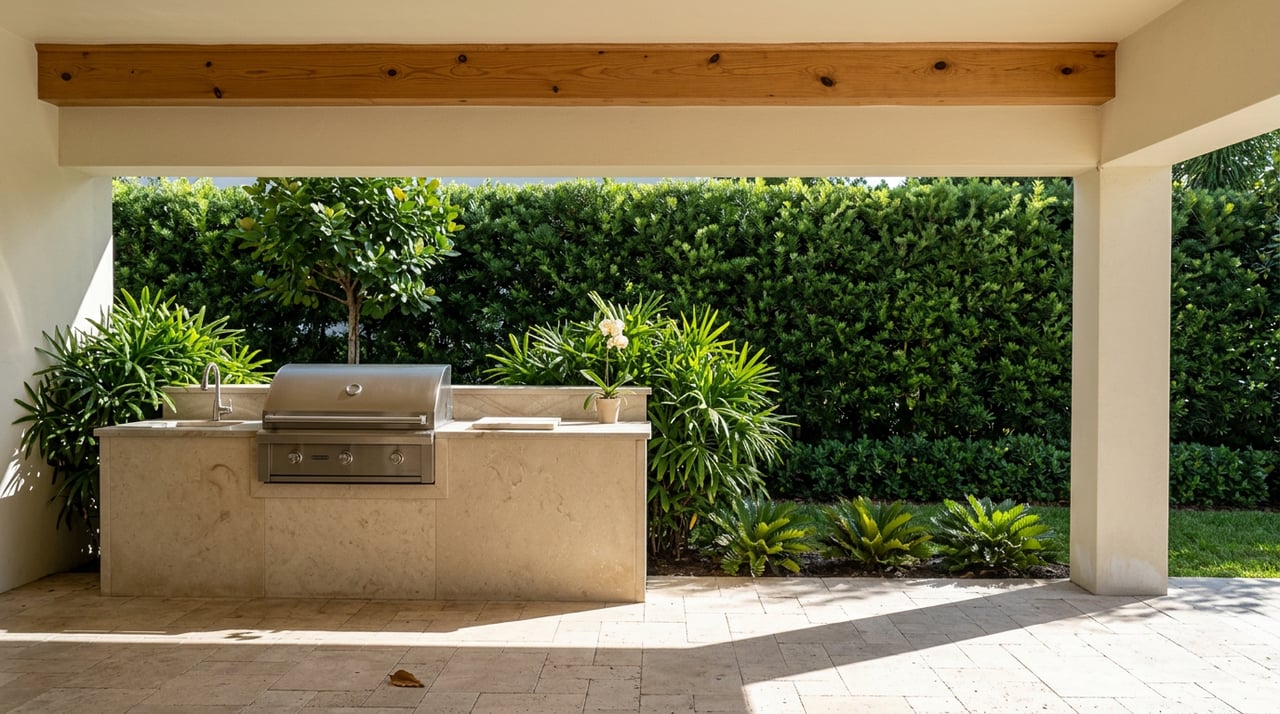
What many buyers like most about this style is its resort-like feel. Compared with a glass-heavy contemporary home, a West Indies residence often provides more shade through covered lanais, porches, and balconies while still keeping the interior airy through open plans and large windows.
This style can be a strong fit if you want relaxed tropical character without giving up modern function. Great rooms, island kitchens, and pocketing glass doors are often part of the plan, helping the home feel open while the exterior keeps a softer, more sheltered look.
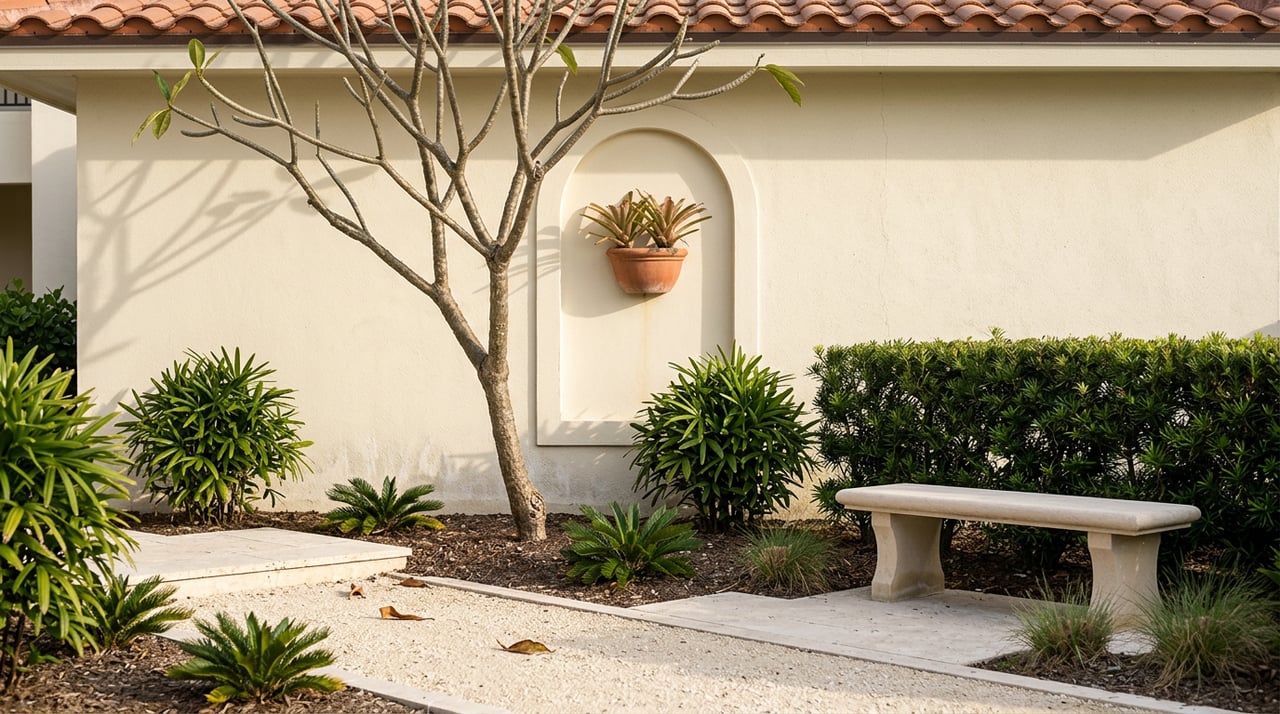
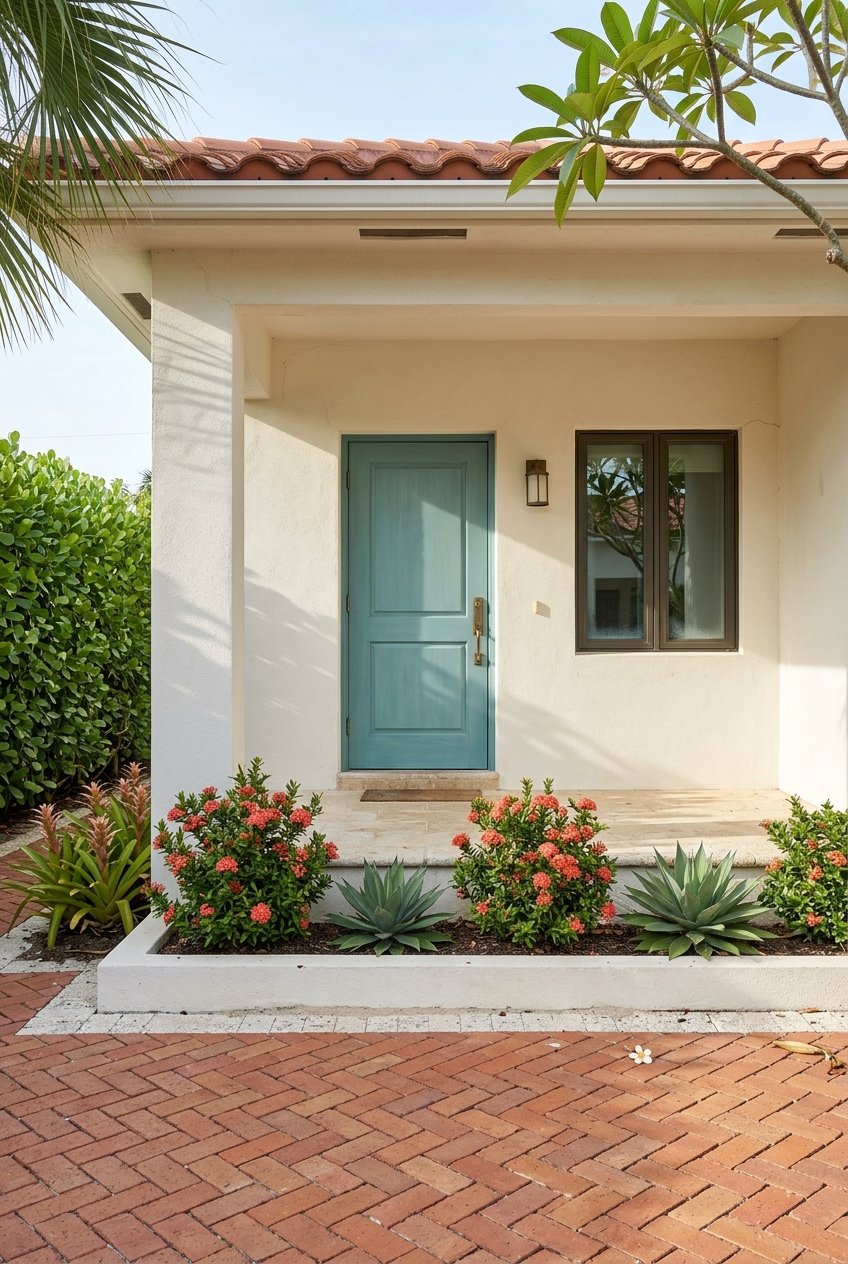
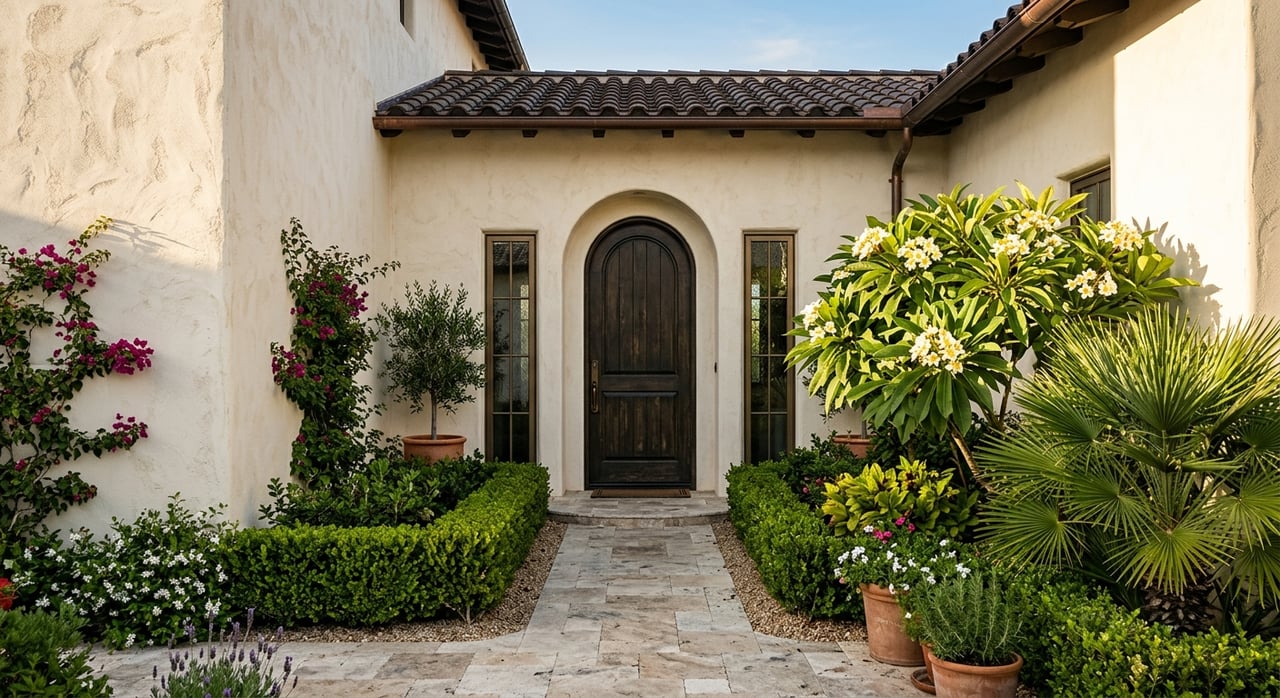
Classic Mediterranean and Mediterranean Revival homes bring a more traditional estate presence. In Southwest Florida, that often means stucco walls, clay or red tile roofs, arches, courtyards, wrought iron, and a more formal sense of symmetry.
For buyers, the appeal often starts with arrival. These homes can feel more enclosed and private from the street, then open toward terraces, lanais, or water views at the rear. That creates a sequence that feels formal at the front and more relaxed once you move into the main living and outdoor areas.
If you prefer a home with a more established architectural identity, Mediterranean may stand out. Courtyards and sheltered outdoor areas can also create a sense of privacy that feels different from more open contemporary designs.
Port Royal also includes older ranch-style, single-level, and transitional homes. Some have been remastered with modern interiors, while others present a simpler shell that may offer renovation potential depending on your goals.
These homes can be especially appealing if you value easier circulation and less vertical movement. A single-level layout may also feel practical if you are focused on day-to-day comfort rather than dramatic architectural statements.
In many cases, the real value proposition is the lot, dock, and water orientation. A more understated home can still be highly compelling if the waterfront setting works for the way you want to live.
Choosing a style in Port Royal is really about choosing how you want the home to function. Here is a simple way to think about the main differences:
| Style | Often Offers Buyers |
|---|---|
| Coastal contemporary | Maximum light, open sightlines, easy entertaining flow |
| West Indies | More shade, covered outdoor rooms, relaxed resort feel |
| Mediterranean Revival | Formal arrival, stronger street privacy, sheltered courtyards |
| Older Florida or ranch | Simplicity, one-level living, flexible renovation canvas |
This is why style should never be viewed in isolation. In Port Royal, aesthetics and function are closely tied together.
When you walk through a home, notice how the architecture shapes the layout. Coastal contemporary and West Indies homes often emphasize open great rooms, expressive ceilings, and larger glass walls that bring in more daylight.
Mediterranean homes may feel more formal and enclosed near the street, then gradually open toward the water side. Older ranch and transitional homes often prioritize straightforward circulation, which can feel comfortable and practical in daily use.
If you are deciding between homes, ask yourself a few simple questions:
Those answers often point you toward the right architectural style faster than the marketing label does.
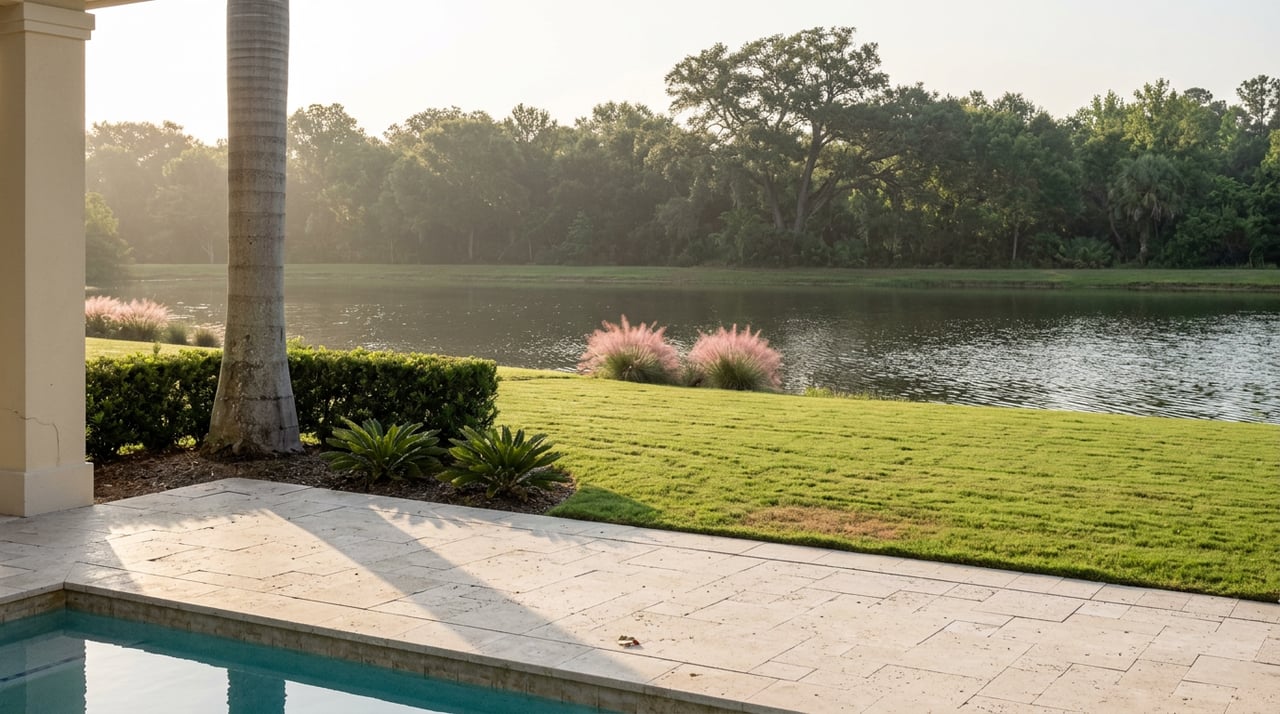
In Port Royal, style and waterfront living go hand in hand. Because the neighborhood includes deep-water canals and Gulf- or bay-oriented sites, one of the smartest questions you can ask is how the house meets the water.
Some homes open through a deep lanai. Others use terraces, courtyards, seawalls, or docks as the main transition between house and shoreline. The design choice affects both lifestyle and maintenance.
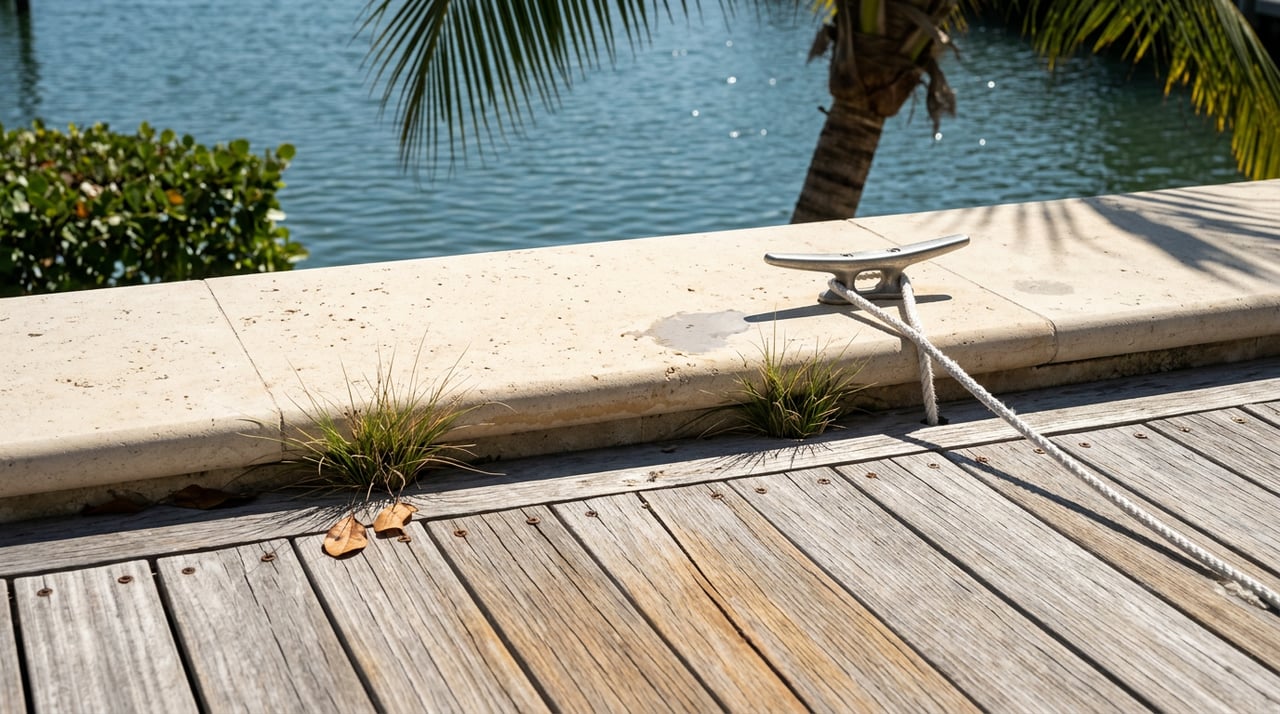
As you compare homes, look at whether waterfront elements are original, renovated, or waiting for permits. In a neighborhood like Port Royal, the dock, seawall, and shoreline structures are just as important as the kitchen or primary suite.
If you are considering updates, new construction, or a significant waterfront project, the approval process matters. The Port Royal Association reviews architectural and dock plans, and any project that needs a City of Naples permit must be approved by the association before the permit is issued.
City rules also require marine permitting for docks, boat lifts, pilings, seawalls, riprap, and dredging. For buyers, this is a practical reminder that a home’s style cannot be separated from the rules that govern how it can be changed.
Older homes and renovation opportunities deserve extra attention here. If you are buying with plans to remodel, the design vision should be weighed alongside the approval path from the beginning.
In Port Royal, the maintenance conversation is often the same as the style conversation. Coastal conditions can affect metal components, the building envelope, porch roofs, and roof overhangs, so the details matter.
In a coastal contemporary home, large glass systems, seals, and exterior hardware deserve close review. In a West Indies home, shutters, balcony railings, stucco, roof edges, and exposed metal details may require regular attention.
With Mediterranean homes, buyers should pay close attention to clay tile roofs, decorative ironwork, stucco condition, and arched details. In older Florida or ranch homes, the key questions may center more on waterfront infrastructure, renovation scope, and code compliance.
Across all styles, it helps to evaluate:
The current Florida Building Code edition is the 8th Edition, effective December 31, 2023. That is especially relevant if you are considering a renovation, addition, or rebuild.
A beautiful exterior can catch your eye, but the best buying decisions in Port Royal usually come from connecting aesthetics to function. Roof shape, porch depth, glass area, ceiling treatment, and water access all influence how a home lives over time.
As you tour homes, try to evaluate each one through three lenses: lifestyle fit, waterfront function, and upkeep. That approach helps you compare very different homes on equal terms.
If you love bright, open spaces and long view lines, coastal contemporary may rise to the top. If you want a tropical estate feel with more covered outdoor living, West Indies may feel more natural. If you prefer classic presence and a more formal sense of privacy, Mediterranean may be the better fit. If simplicity or a renovation canvas matters most, older Florida and ranch homes can be worth a serious look.
In a neighborhood as distinctive as Port Royal, the right home is rarely about style alone. It is about how that style supports the way you want to live on the water.
If you are weighing architectural styles, lot positions, or renovation possibilities in Port Royal, working with a team that understands both neighborhood character and the practical side of waterfront ownership can make the process much smoother. For private guidance and curated opportunities, connect with The Norgart Team.
Stay up to date on the latest real estate trends.